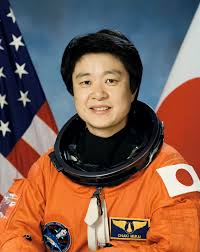
Chiaki Mukai
Japanese - (JAXA)
Retired
Date of Birth: May 6, 1952
Age: 73
Chiaki Mukai (向井 千秋 Mukai Chiaki, born May 6, 1952, Tatebayashi, Gunma, Japan) is a Japanese doctor and JAXA astronaut. She was the first Japanese woman in space, and was the first Japanese citizen to have two spaceflights. Both were Space Shuttle missions; her first was STS-65 aboard Space Shuttle Columbia in July 1994, which was a Spacelab mission. Her second spaceflight was STS-95 aboard Space Shuttle Discovery in 1998. In total she has spent 23 days in space.
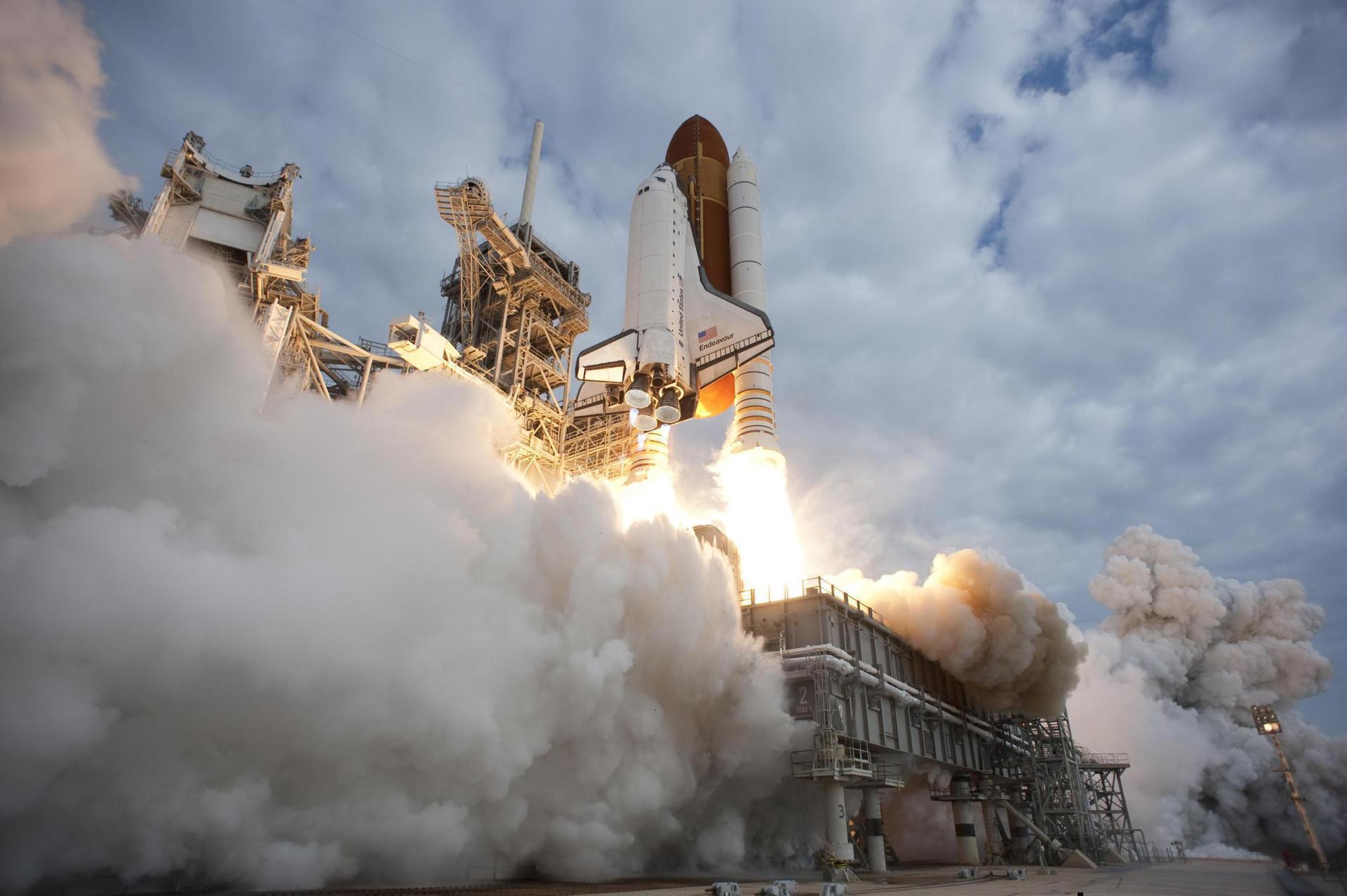
Space Shuttle Columbia / OV-102 | STS-65
National Aeronautics and Space Administration | United States of AmericaKennedy Space Center, FL, USA
July 8, 1994, 4:43 p.m.
Space Shuttle Discovery / OV-103 | STS-95
National Aeronautics and Space Administration | United States of AmericaKennedy Space Center, FL, USA
Oct. 29, 1998, 7:19 p.m.
Status: Success
Mission:
STS-95 was a Space Shuttle mission launched from Kennedy Space Center, Florida on 29 October 1998, using the orbiter Discovery. It was the 25th flight of Discovery and the 92nd mission flown since the start of the Space Shuttle program in April 1981. It was a highly publicized mission due to former Project Mercury astronaut and United States Senator John H. Glenn, Jr.'s return to space for his second space flight. At age 77, Glenn became the oldest person, to date, to go into space. This mission is also noted for inaugurating ATSC HDTV broadcasting in the U.S., with live coast-to-coast coverage of the launch. In another first, Pedro Duque became the first Spaniard in space.
Low Earth OrbitThe Japan Aerospace Exploration Agency (JAXA) is Japan's national aero-space agency. Through the merger of three previously independent organizations, JAXA was formed on 1 October 2003. JAXA is responsible for research, technology development and the launch of satellites into orbit, and is involved in many more advanced missions, such as asteroid exploration and possible manned exploration of the Moon. JAXA launch their Epsilon vehicle from the Uchinoura Space Center and their H-II vehicles from the Tanegashima Space Center.
Falcon 9
Starlink Group 17-27
Space Launch Complex 4E - Vandenberg SFB, CA, USAA batch of 25 satellites for the Starlink mega-constellation - SpaceX's project for space-based Internet communication system.
Falcon 9
Starlink Group 10-24
Space Launch Complex 40 - Cape Canaveral SFS, FL, USAA batch of 29 satellites for the Starlink mega-constellation - SpaceX's project for space-based Internet communication system.
Kinetica 1
8 x Jilin-1
Launch Area 130 - Jiuquan Satellite Launch Center, People's Republic of China8 Earth observation satellites for the Jilin-1 commercial Earth observation satellites constellation: * High Resolution-07A 02-04 * High Resoluti…
Falcon 9
Cygnus CRS-2 NG-24 (S.S. Steven R. Nagel)
Space Launch Complex 40 - Cape Canaveral SFS, FL, USAThis is the 24th flight of the Orbital ATK's uncrewed resupply spacecraft Cygnus and its 23rd flight to the International Space Station under the Com…
Smart Dragon 3
SatNet test satellite
South China Sea (launch location 3) - Haiyang Oriental SpaceportOfficially described as "Satellite-Internet Technology Demonstration Satellite". Probable 1 (?) test satellite for the Chinese state-owned LEO commun…

