Previous Spaceflight Launches
Filter by Agency, Locations or Vehicles
Show All Launches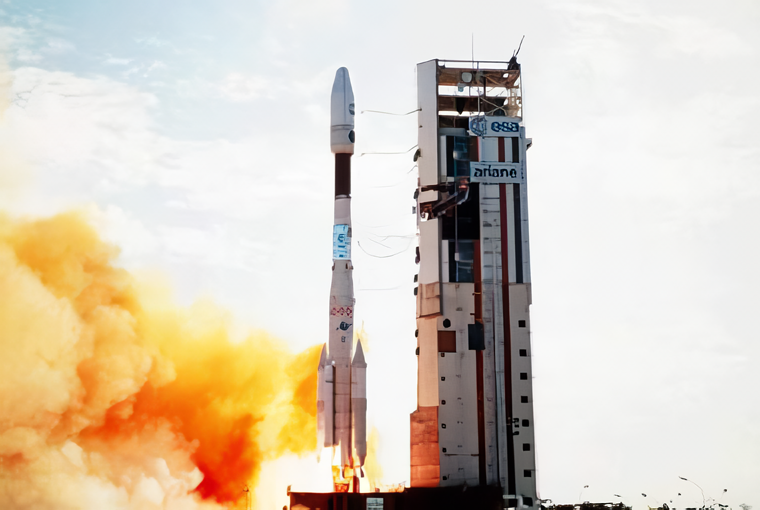
Ariane 44LP | INTELSAT 707
Aérospatiale | FranceGuiana Space Centre, French Guiana
March 14, 1996, 7:11 a.m.
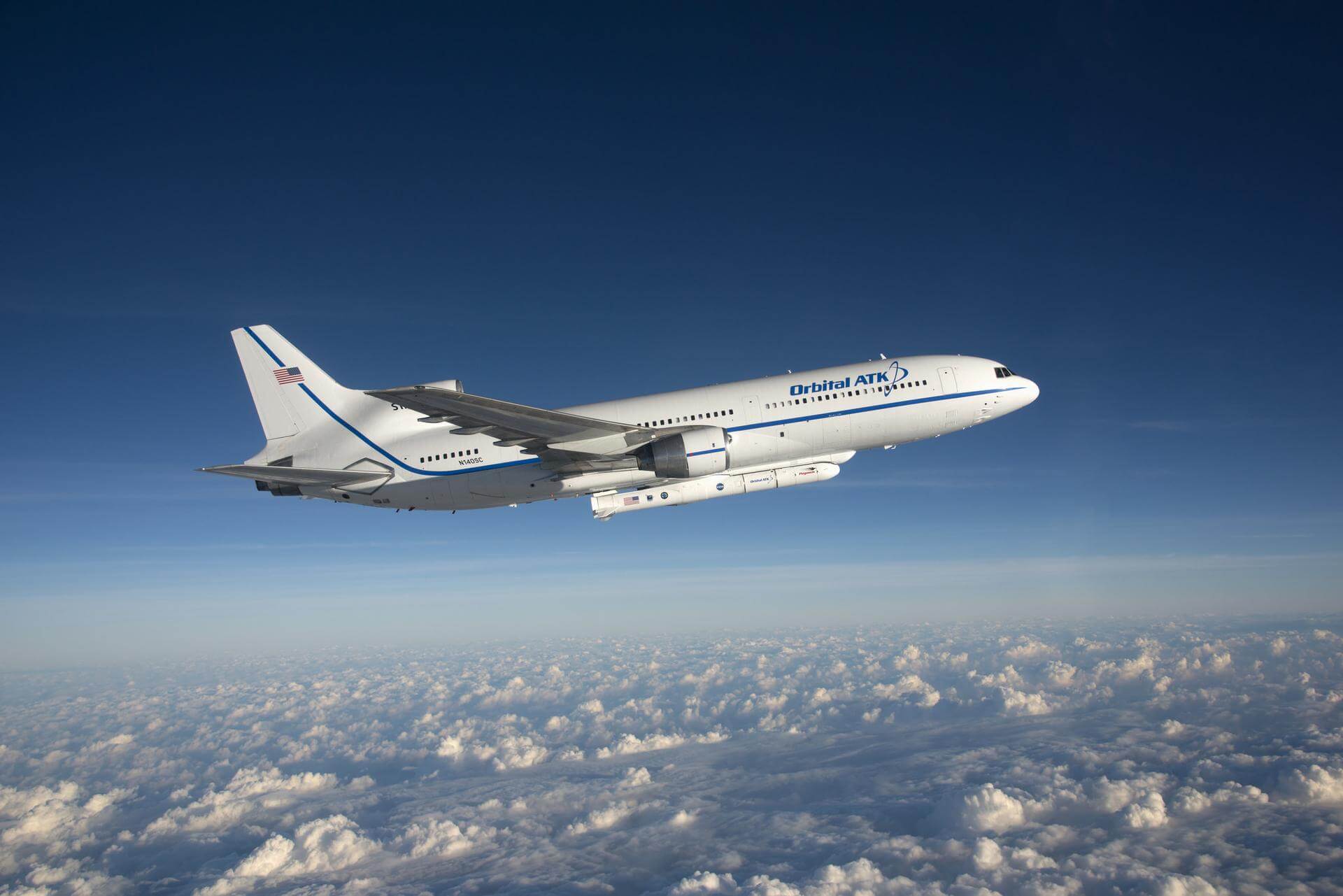
Pegasus XL | REX II
Orbital Sciences Corporation | United States of AmericaAir launch to orbit
March 9, 1996, 1:33 a.m.
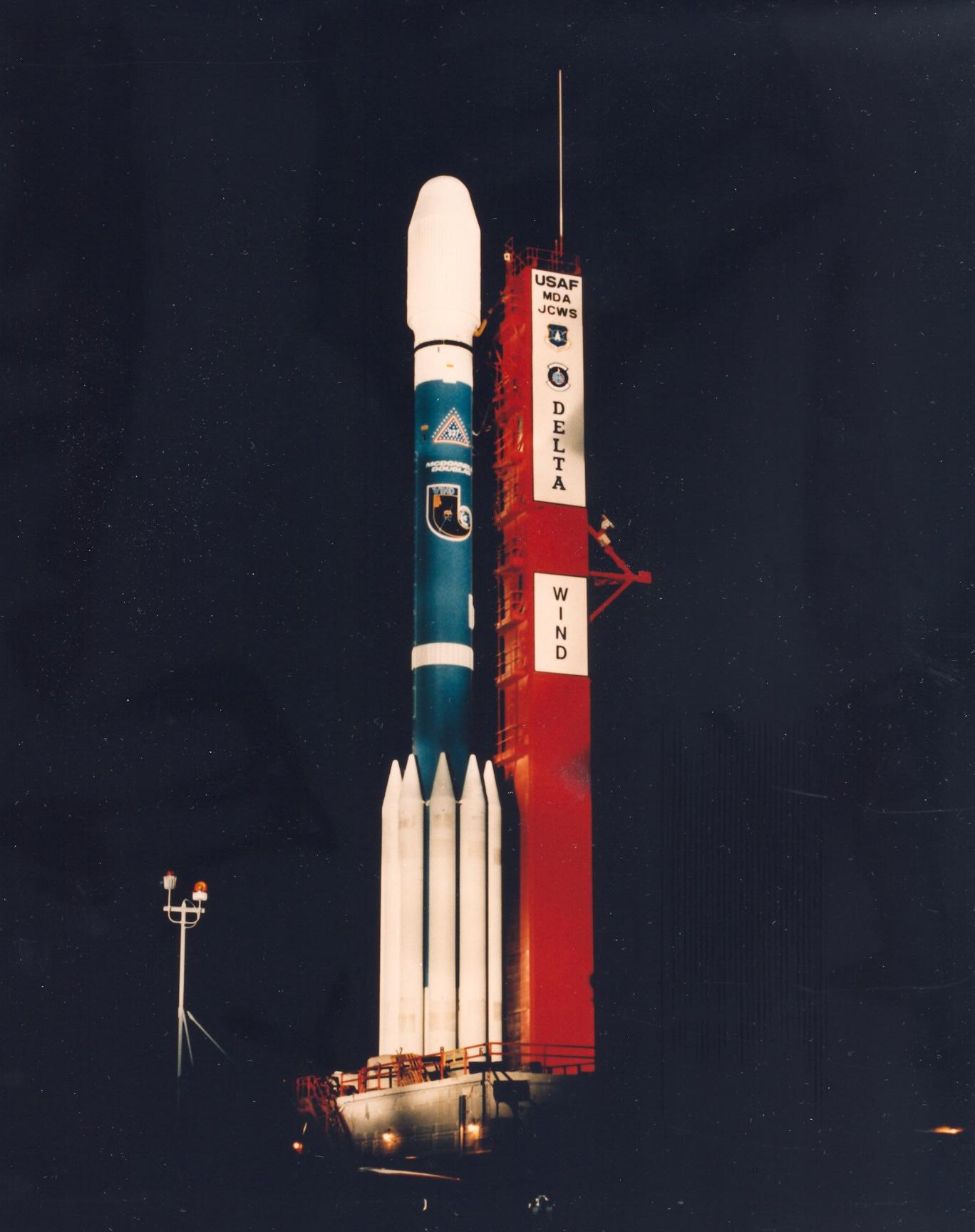
Delta 7925-10 | Polar
McDonnell Douglas | United States of AmericaVandenberg SFB, CA, USA
Feb. 24, 1996, 11:24 a.m.
Status: Launch Successful
Mission:
Polar is one of four spacecraft in the Global Geospace Science (GGS) program. These are among the spacecraft (Wind, Geotail, SOHO, and Cluster) in the International Solar Terrestrial Physics (ISTP) program. POLAR measures solar wind entry, ionospheric output, and the depositions of energy into the neutral atmosphere at high latitudes.
Elliptical Orbit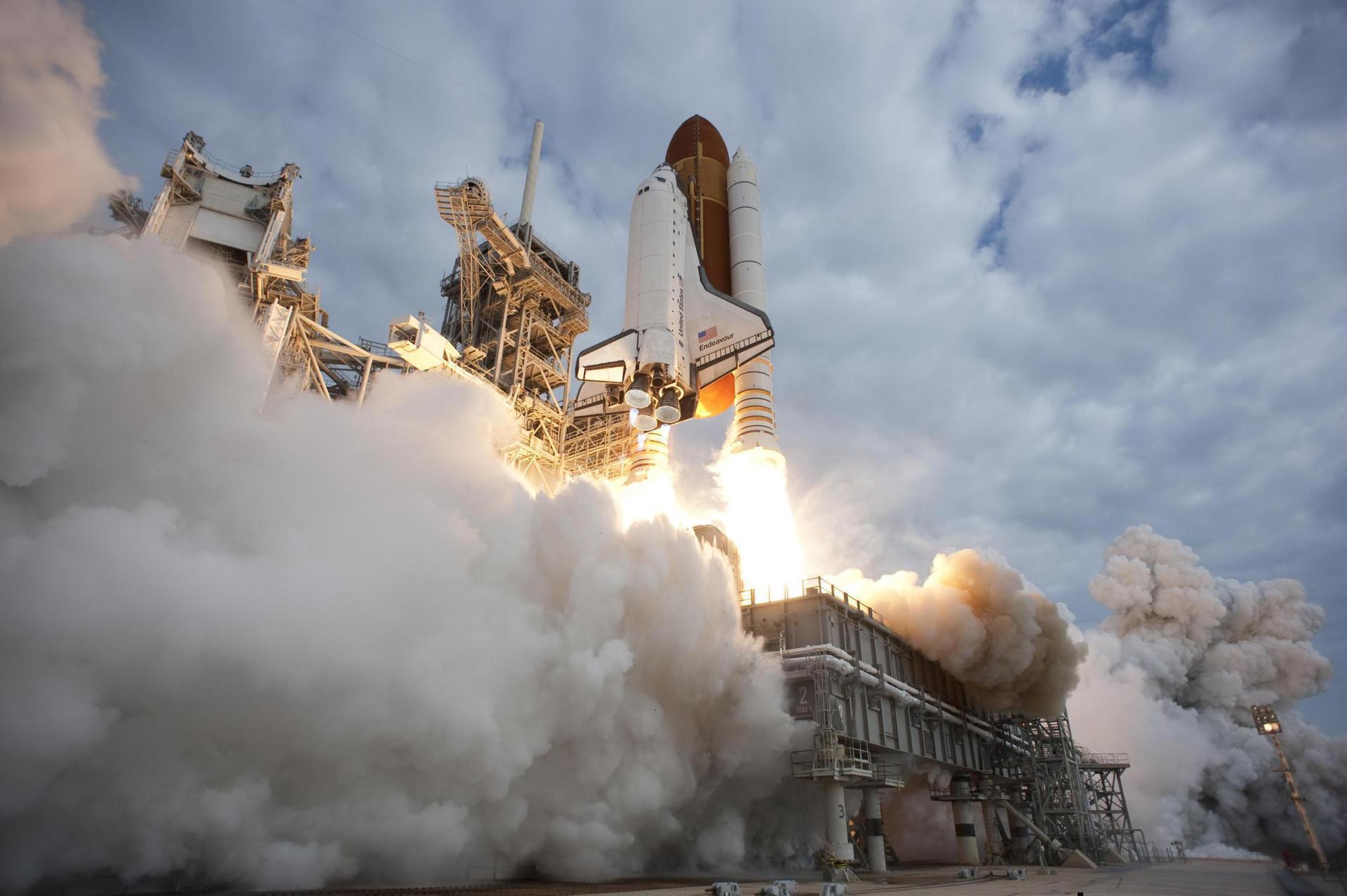
Space Shuttle Columbia / OV-102 | STS-75
National Aeronautics and Space Administration | United States of AmericaKennedy Space Center, FL, USA
Feb. 22, 1996, 8:18 p.m.
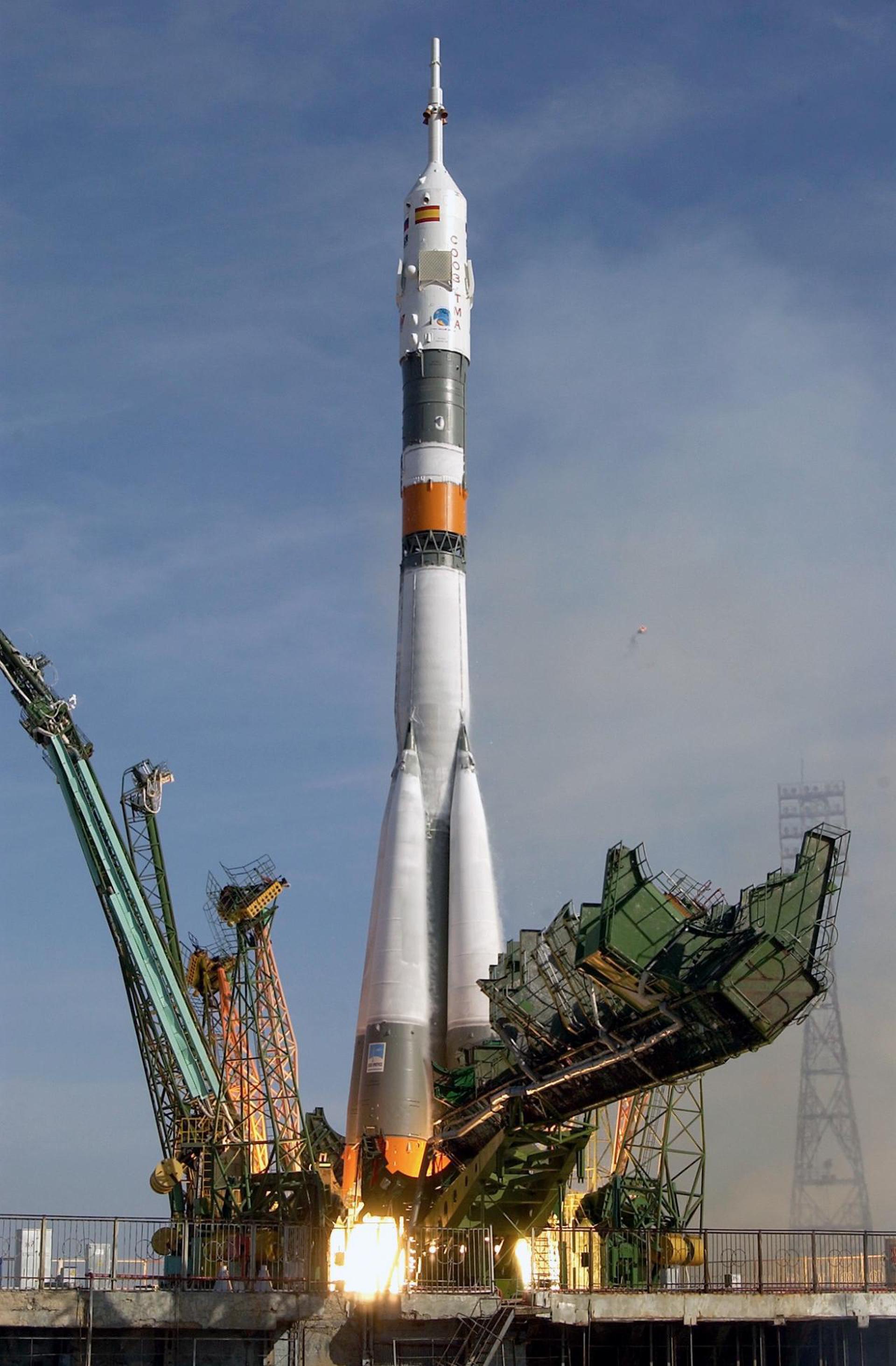
Soyuz-U | Soyuz TM-23
Russian Federal Space Agency (ROSCOSMOS) | RussiaBaikonur Cosmodrome, Republic of Kazakhstan
Feb. 21, 1996, 12:34 p.m.
Status: Launch Successful
Mission:
Soyuz TM-23 was the 25th mission and the 21st long-duration expedition to Mir space station. It was also a part of the US/Russian Shuttle-Mir Program. The mission began on February 21, 1996, 12:34:05 UTC, launching Commander Yuri Onufrienko and Flight Engineer Yury Usachov into orbit. They docked with Mir two days later. During their stay there, cosmonauts performed several EVAs and various scientific experiments. Station crew was visited by several Progress resupply spacecrafts, STS-76, and welcomed aboard Soyuz TM-24 with the next expedition crew. The mission concluded with a safe landing back on Earth on September 2, 1996, 07:41:40 UTC.
Low Earth Orbit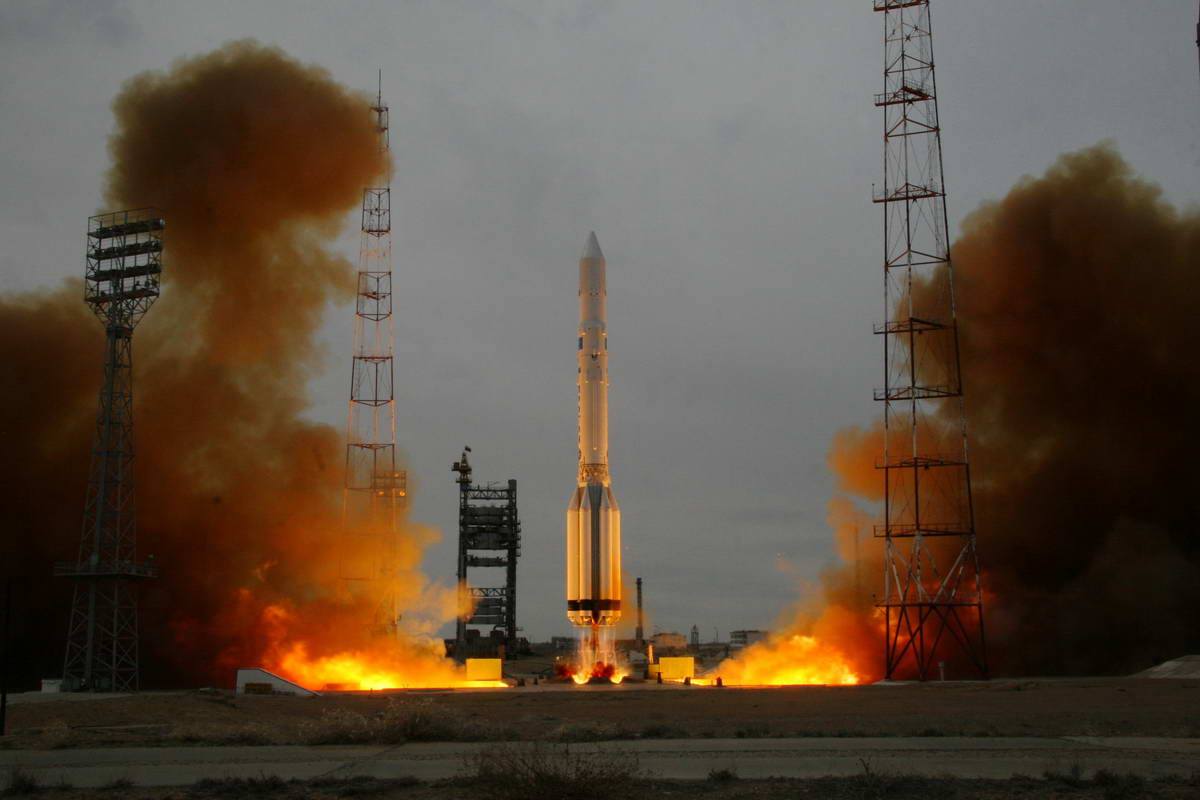
Proton | Raduga 33
Khrunichev State Research and Production Space Center | RussiaBaikonur Cosmodrome, Republic of Kazakhstan
Feb. 19, 1996, 8:19 a.m.
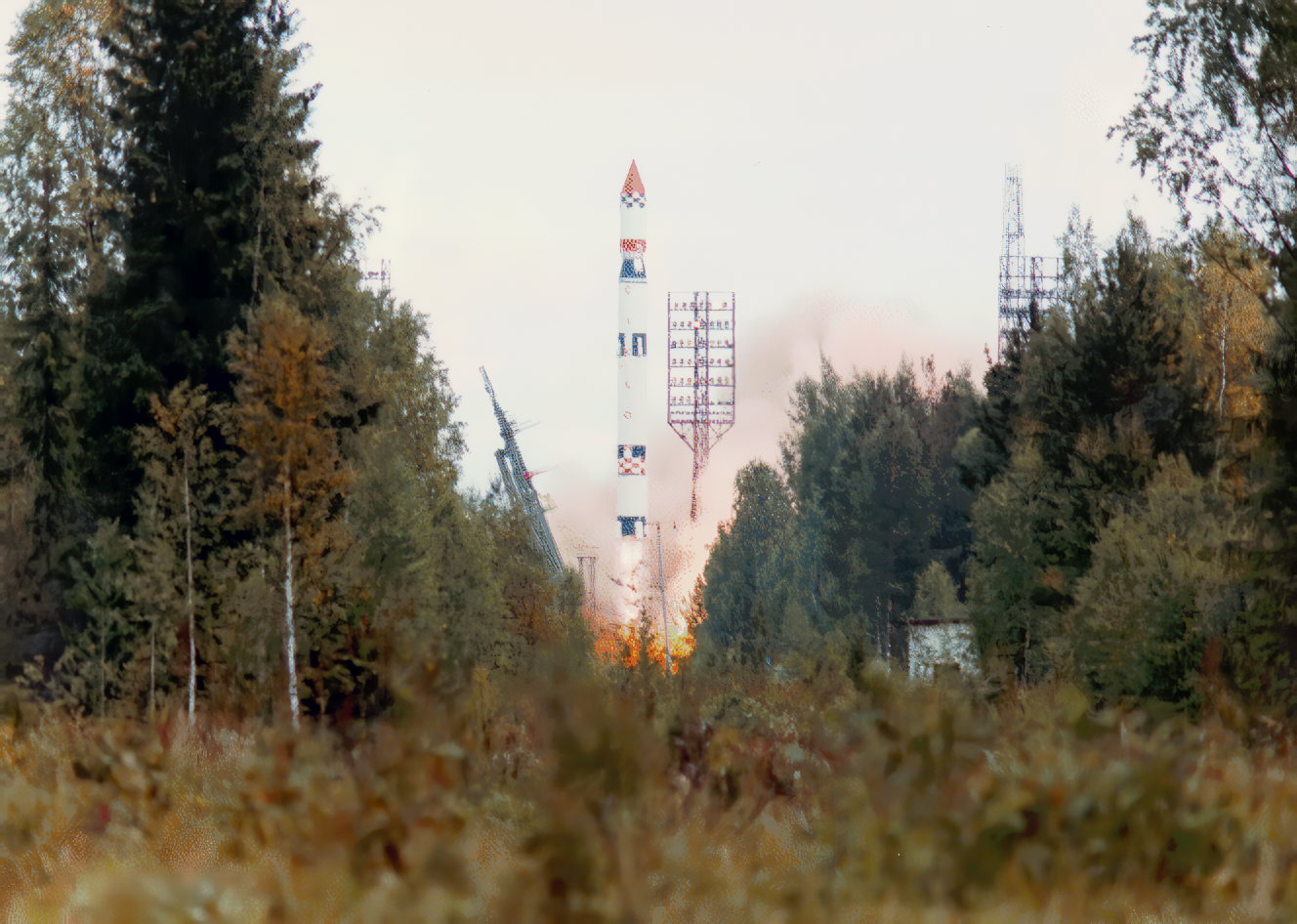
Tsiklon-3 | Gonets-D 319 to 321 & Strela-3 113 to 115
Yuzhnoye Design Bureau | UkrainePlesetsk Cosmodrome, Russian Federation
Feb. 19, 1996, 12:58 a.m.
Status: Launch Successful
Mission:
Gonets- satellite were the civilian derivate of the military Strela-3 satellite system. The Gonets system was offered to support international health organizations to meet their global communications needs for the transfer of medical data and records to remote sites. Strela-3 was the second generation of Russian strategic store-dump military communications satellite. Development of this generation to replace the first generation Strela-1M and Strela-2M satellites began in 1973.
Low Earth Orbit
Delta 7925-8 | NEAR Shoemaker
McDonnell Douglas | United States of AmericaCape Canaveral SFS, FL, USA
Feb. 17, 1996, 8:43 p.m.
Status: Launch Successful
Mission:
NEAR (Near Earth Asteroid Rendezvous) was a mission to rendezvous and orbit around an near earth asteroid (433 Eros). On the cruise to Eros, it flew by asteroid 253 Mathilde on 27 Jun 1997 and flew by earth on 23 January 1998. After failing to insert itself into Eros' orbit in January 1999, NEAR finally inserted itself into orbit around the asteroid on the second try on 14 February 2000. Initially in a 323 km × 370 km orbit, it lowered its altitude during observation. After reaching orbit, NEAR was renamed NEAR-Shoemaker.
Heliocentric N/A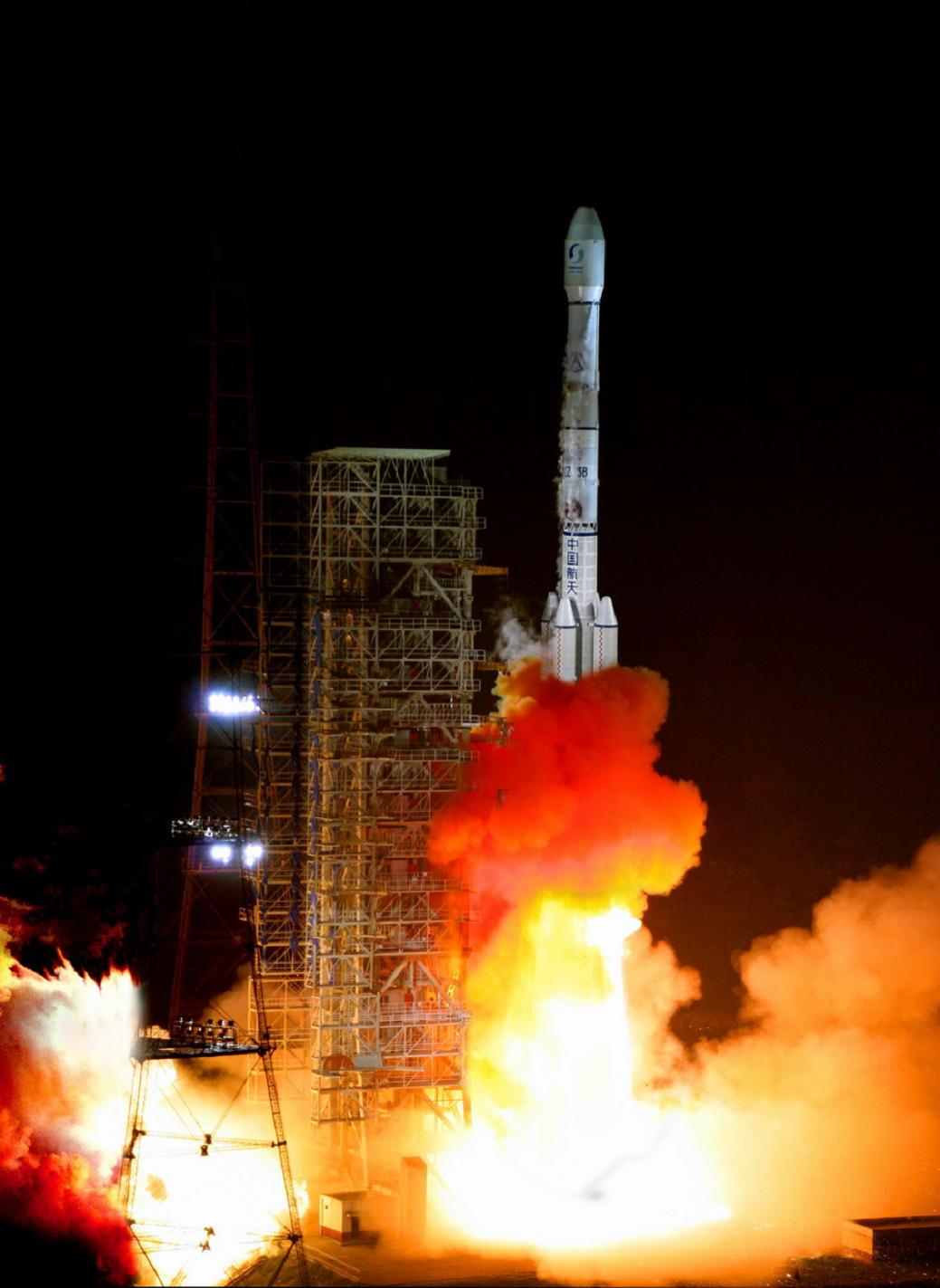
Long March 3B | INTELSAT 708
China Aerospace Science and Technology Corporation | ChinaXichang Satellite Launch Center, People's Republic of China
Feb. 14, 1996, 7:01 p.m.
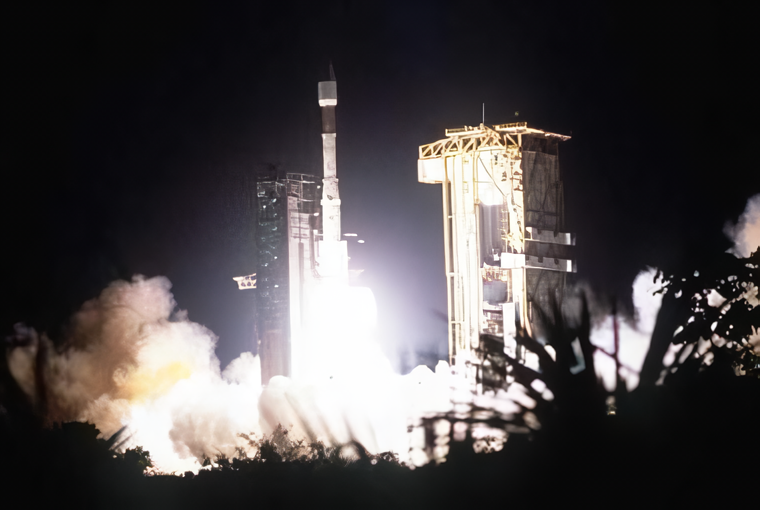
Ariane 44P | N-Star b
Aérospatiale | FranceGuiana Space Centre, French Guiana
Feb. 5, 1996, 7:19 a.m.

