Upcoming Spaceflight Launches
Filter by Agency, Locations or Vehicles
Show All Launches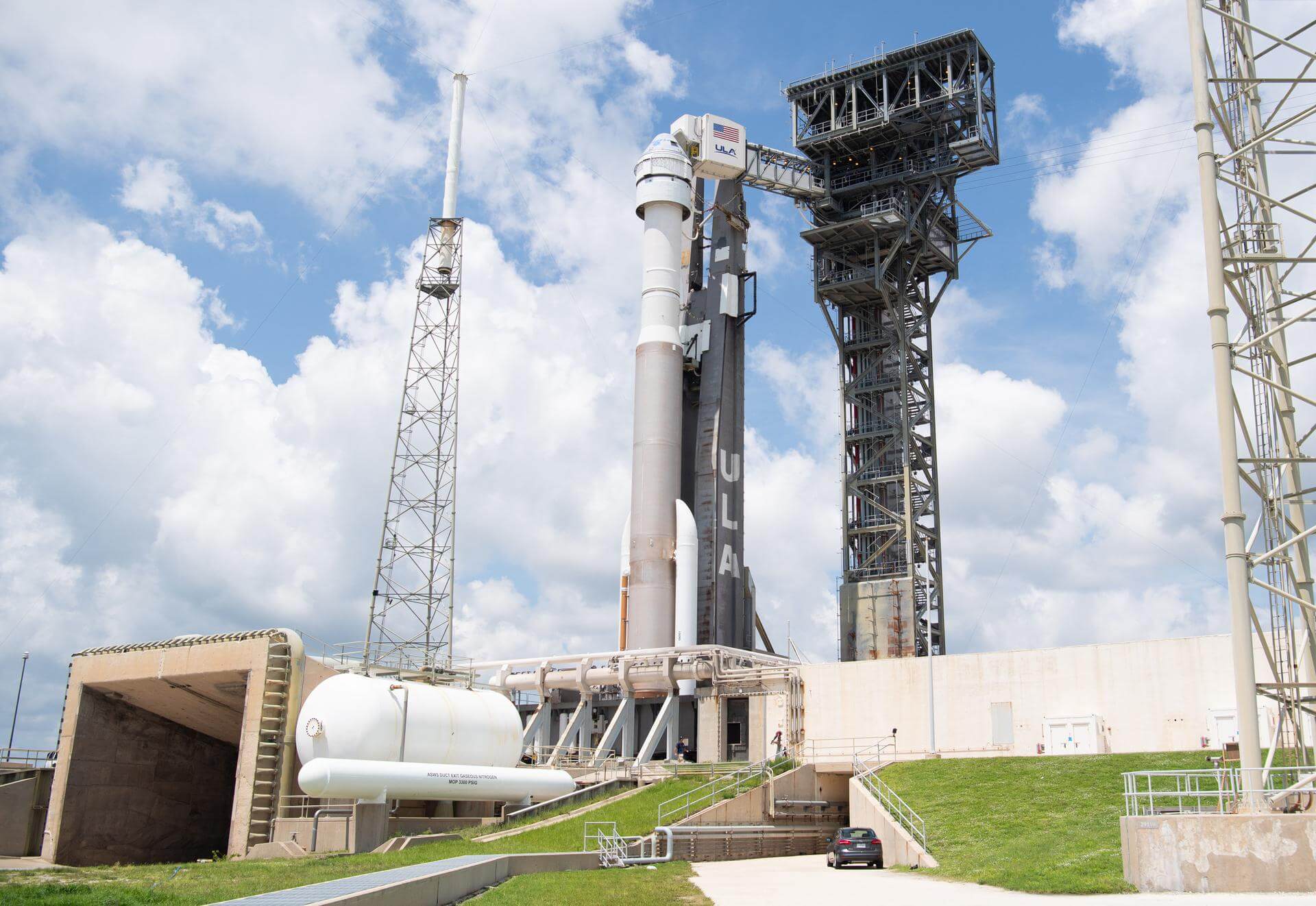
Atlas V N22 | Starliner-6
United Launch Alliance | United States of AmericaCape Canaveral SFS, FL, USA
TBD December, 2028
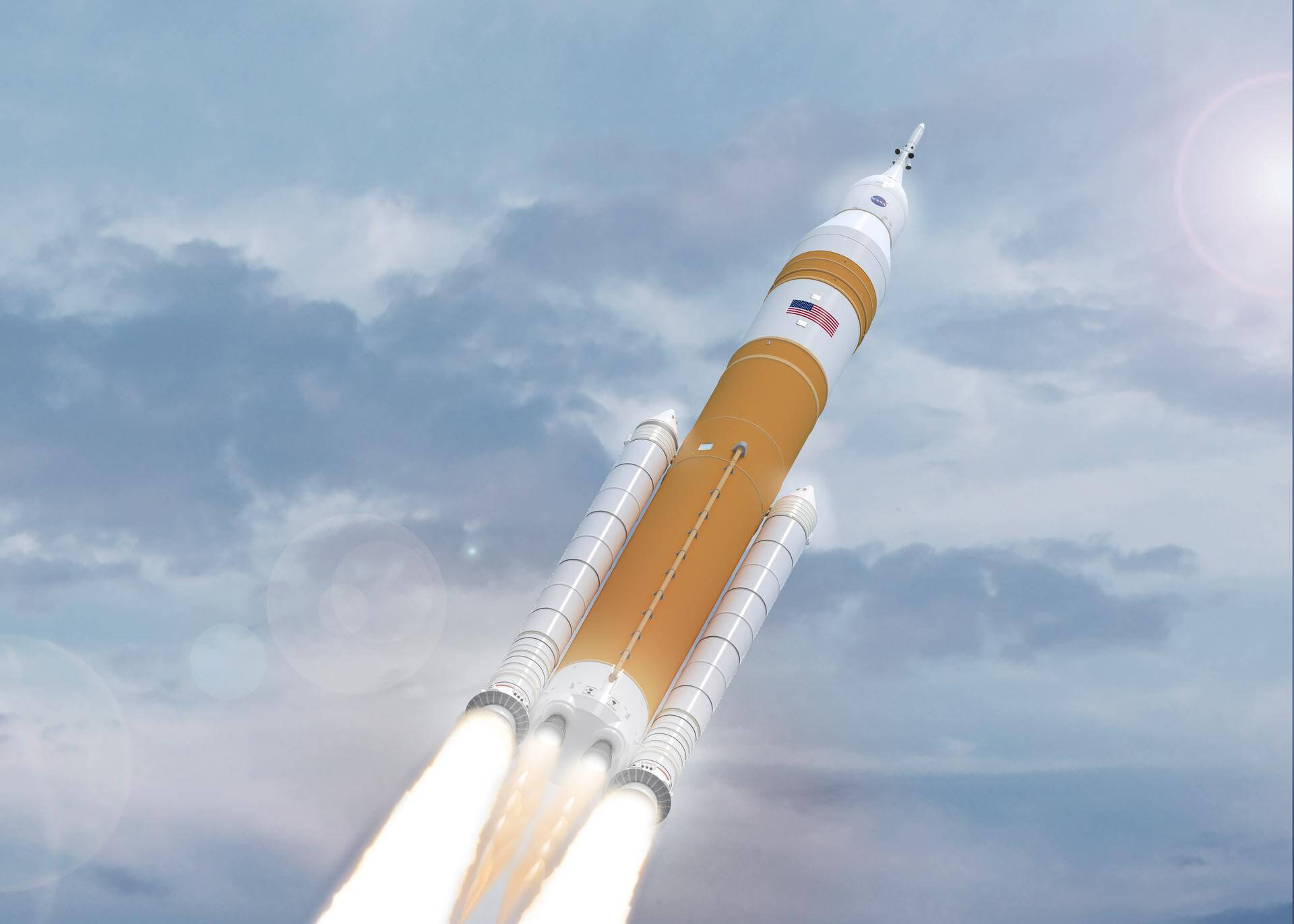
SLS Block 1B | Artemis V
National Aeronautics and Space Administration | United States of AmericaKennedy Space Center, FL, USA
TBD December, 2028

Falcon 9 Block 5 | JSAT-31
SpaceX | United States of AmericaCape Canaveral SFS, FL, USA
TBD December, 2028
Status: To Be Determined
Mission:
JSAT-31 is a geostationary communication satellite for SKY Perfect JSAT. Operating both in Ka and Ku frequency bands, the JSAT-31 High Throughput Satellite will offer high speed broadband services over Japan, South-East Asia, Australia, New Zealand and Pacific islands. JSAT-31 will have the largest capacity in the history of SKY Perfect JSAT satellites. It will rely on Space INSPIRE, a highly flexible and fully software-defined solution that offers instant in-orbit adjustment to broadband connectivity demand, while maximizing the effective use of the satellite resources. SKY Perfect JSAT will leverage the satellite’s extreme flexibility to offer enhanced communications services all along JSAT-31’s lifespan in orbit.
Geostationary Transfer Orbit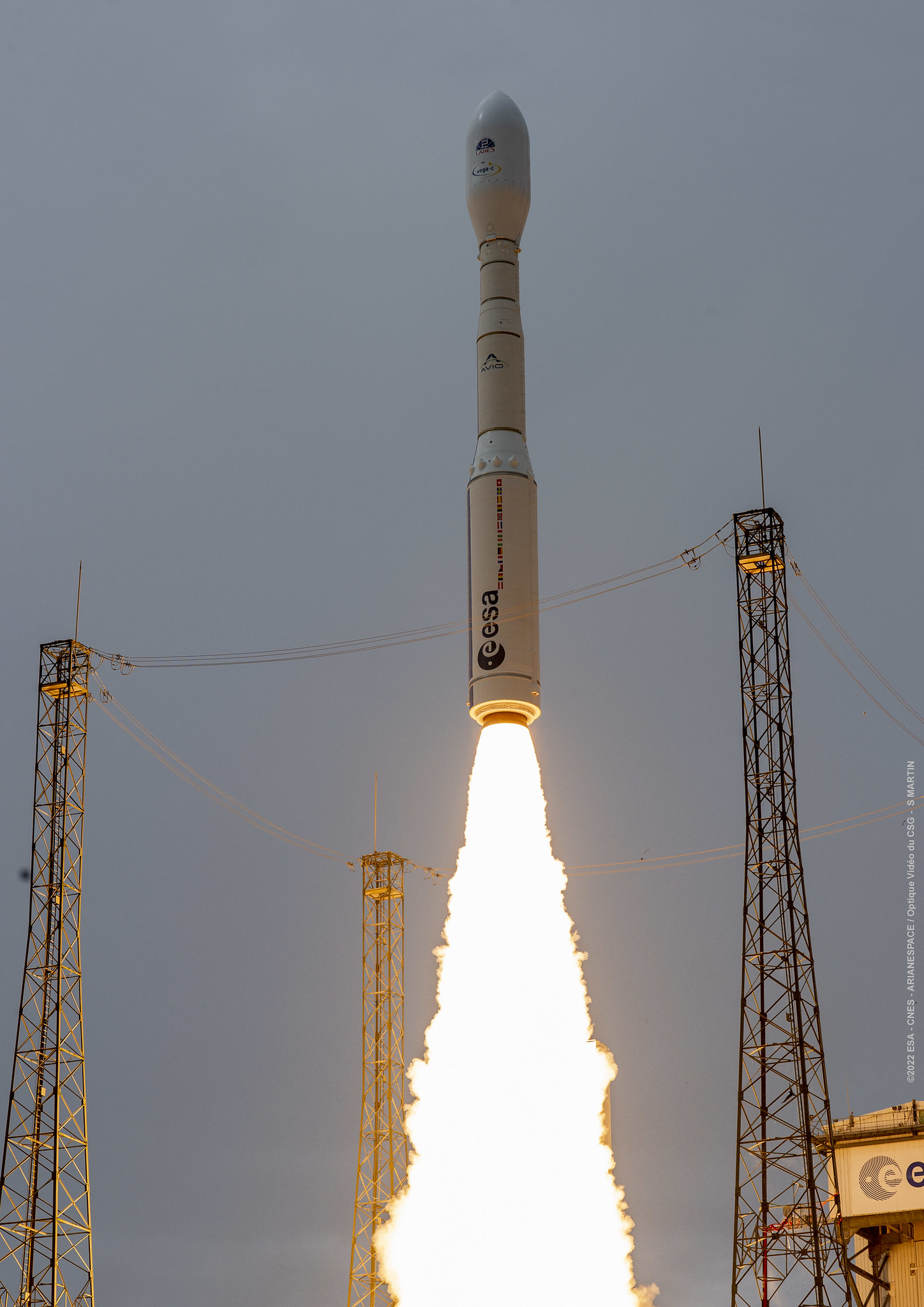
Vega-C | Sentinel-3D
Avio S.p.A | ItalyGuiana Space Centre, French Guiana
TBD December, 2028
Vega-C | FORMOSAT-9A
Avio S.p.A | ItalyGuiana Space Centre, French Guiana
TBD December, 2028
Falcon 9 Block 5 | WSF-M2 & BLAZE-2 (USSF-178)
SpaceX | United States of AmericaVandenberg SFB, CA, USA
TBD December, 2028
Status: To Be Determined
Mission:
Second Weather System Follow-on (WSF) satellite. WSF-M (Weather System Follow-on - Microwave) is the next-generation operational environmental satellite system for the Department of Defense (DoD), to replace the microwave wavelength weather forecasting capabilities of the DMSP satellites. Ball Aerospace has been selected in late November 2017 to be the prime contractor for 2 Low Earth Orbit (LEO) weather satellites with a passive microwave imaging radiometer instrument and hosted Government furnished energetic charged particle (ECP) sensor space weather payload developed by the Air Force Research Laboratory. The radiometer leverages the Ball-built Global Precipitation Measurement (GPM) Microwave Imager (GMI) instrument. This mission will improve weather forecasting over maritime regions by taking global measurements of the atmosphere and ocean surface. The launch will also include BLAZE-2, a launch opportunity for operational, research, development, and prototype small satellites from across the DoD.
Polar Orbit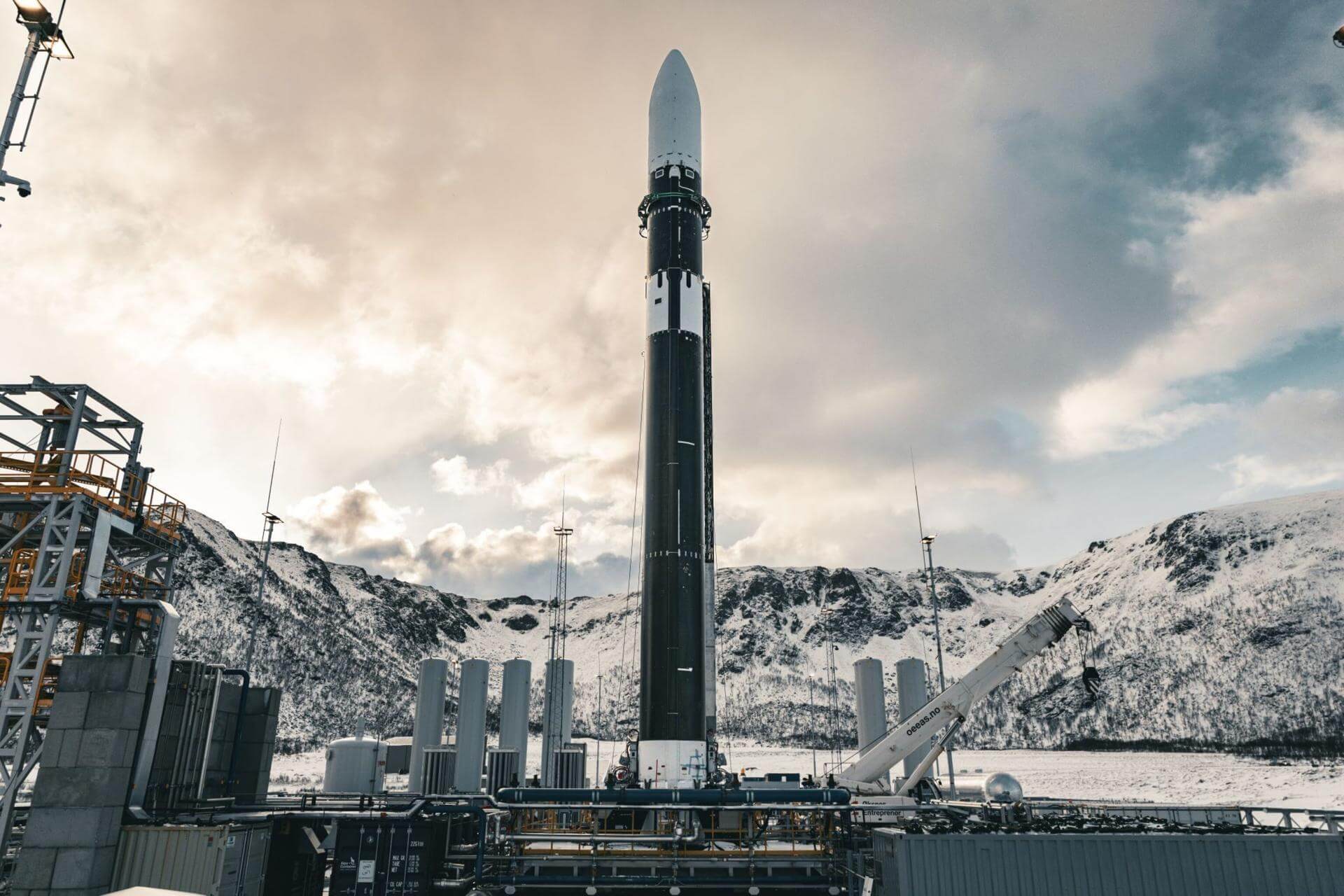
Spectrum | AOS-Demo & Precursor
Isar Aerospace | GermanyAndøya Spaceport
TBD December, 2028
Status: To Be Determined
Mission:
Two satellites for the Norwegian Space Agency’s Arctic Ocean Surveillance (AOS) program. AOS-Demo will be built by thr Norwegian engineering company Eidel to demonstrate maritime monitoring technologies. AOS-Precursor will be built by Kongsberg Defence & Aerospace as the first operational satellite of the system to track maritime activities in the Arctic.
Sun-Synchronous OrbitFalcon 9 Block 5 | EchoStar 26
SpaceX | United States of AmericaCape Canaveral SFS, FL, USA
TBD December, 2028
Status: To Be Determined
Mission:
EchoStar 26 is a direct broadcast satellite, built on the proven Maxar 1300 series platform, which will deliver content across DISH TV customers across all 50 U.S. states & Puerto Rico. It will be equipped with a high-power, multi-spot beam payload, allowing DISH to provide high-quality content to its customers.
Geostationary Transfer OrbitFalcon 9 Block 5 | SEOPS Rideshare Mission
SpaceX | United States of AmericaCape Canaveral SFS, FL, USA
TBD December, 2028
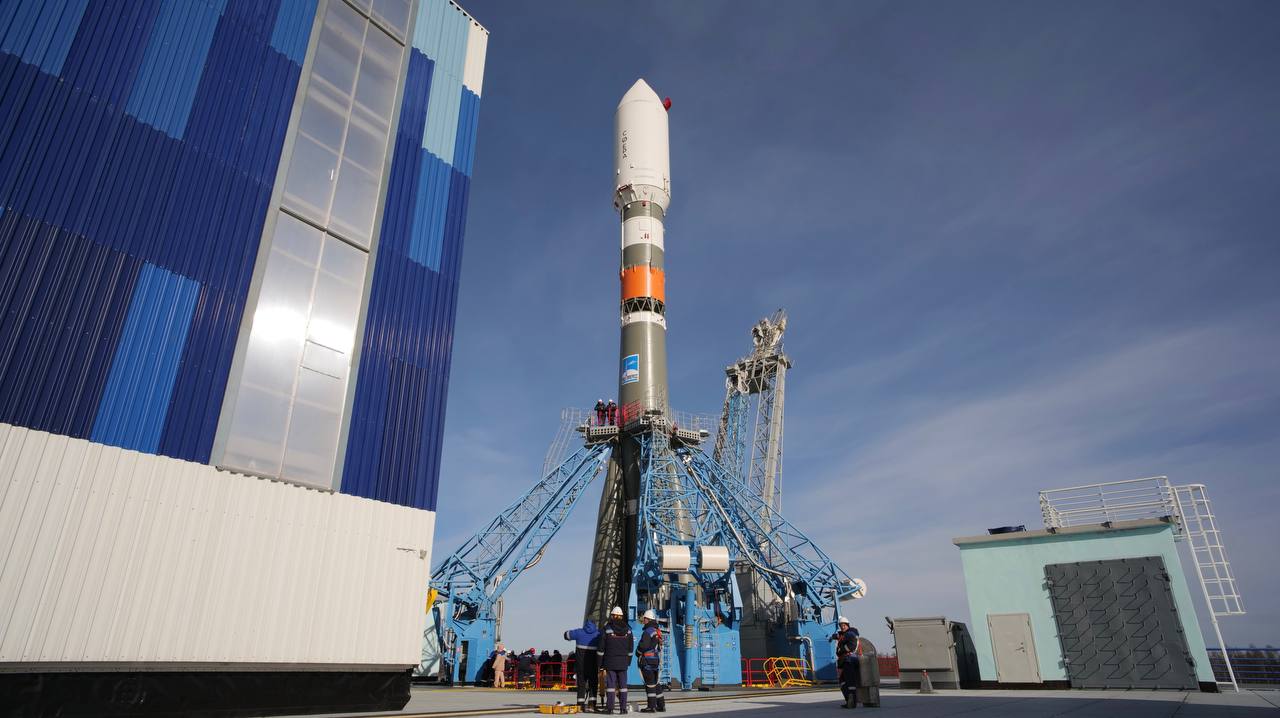
Soyuz 2.1b/Fregat-M | Luna 27
Progress Rocket Space Center | RussiaVostochny Cosmodrome, Siberia, Russian Federation
TBD December, 2028
Status: To Be Determined
Mission:
Luna 27 (also named Luna-Resurs 1) is a planned lunar lander mission by Roscosmos to send a lander to the South Pole–Aitken basin, an area on the far side of the Moon. The purpose is to prospect for minerals, volatiles (nitrogen, water, carbon dioxide, ammonia, hydrogen, methane and sulfur dioxide, and lunar water ice in permanently shadowed areas of the Moon and investigate the potential use of these natural lunar resources. On the long term, Russia considers building a crewed base on the Moon's far side that would bring scientific and commercial benefits. The lander will feature 15 science instruments that will analyse the regolith, plasma in the exosphere, dust, and seismic activity. The payload will include a sampling drill.
Lunar OrbitLong March 8
SpaceSail Polar Group 07
Commercial LC-1 - Wenchang Space Launch Site, People's Republic of China18 Low Earth Orbit communication satellites with Ku, Q and V band payloads for the G60 constellation operated by Shanghai Spacesail Technologies with…
Minotaur IV
STP-S29A
Space Launch Complex 8 - Vandenberg SFB, CA, USASTP-S29A is a mission under the U.S. Department of Defense's Space Test Program (STP) that will deliver technology demonstrations to orbit and contri…
Falcon 9
Starlink Group 17-35
Space Launch Complex 4E - Vandenberg SFB, CA, USAA batch of 25 satellites for the Starlink mega-constellation - SpaceX's project for space-based Internet communication system.
Atlas V 551
Amazon Leo (LA-05)
Space Launch Complex 41 - Cape Canaveral SFS, FL, USAAmazon Leo, formerly known as Project Kuiper, is a mega constellation of satellites in Low Earth Orbit that will offer broadband internet access, thi…
Soyuz 2.1a/Fregat-M
Meridian-M No.21L
43/3 (43L) - Plesetsk Cosmodrome, Russian FederationNote: Payload identity uncertain. Meridian is a series of communications satellite for military and civilian use.
Tianlong-3
Demo Flight
Tianlong-3 Launch Pad - Jiuquan Satellite Launch Center, People's Republic of ChinaFirst test launch of Space Pioneer’s Tianlong-3 rocket.
Falcon 9
Starlink Group 10-58
Space Launch Complex 40 - Cape Canaveral SFS, FL, USAA batch of 29 satellites for the Starlink mega-constellation - SpaceX's project for space-based Internet communication system.
Space Launch System (SLS)
Artemis II
Launch Complex 39B - Kennedy Space Center, FL, USAArtemis II is the first crewed mission as part of the Artemis program. Artemis II will send a crew of 4 - 3 Americans and 1 Canadian around the moon …
Falcon 9
Starlink Group 10-44
Space Launch Complex 40 - Cape Canaveral SFS, FL, USAA batch of 29 satellites for the Starlink mega-constellation - SpaceX's project for space-based Internet communication system.
Falcon 9
Transporter 16 (Dedicated SSO Rideshare)
Space Launch Complex 4E - Vandenberg SFB, CA, USADedicated rideshare flight to a sun-synchronous orbit with dozens of small microsatellites and nanosatellites for commercial and government customers.

