Upcoming Spaceflight Launches
Filter by Agency, Locations or Vehicles
Show All Launches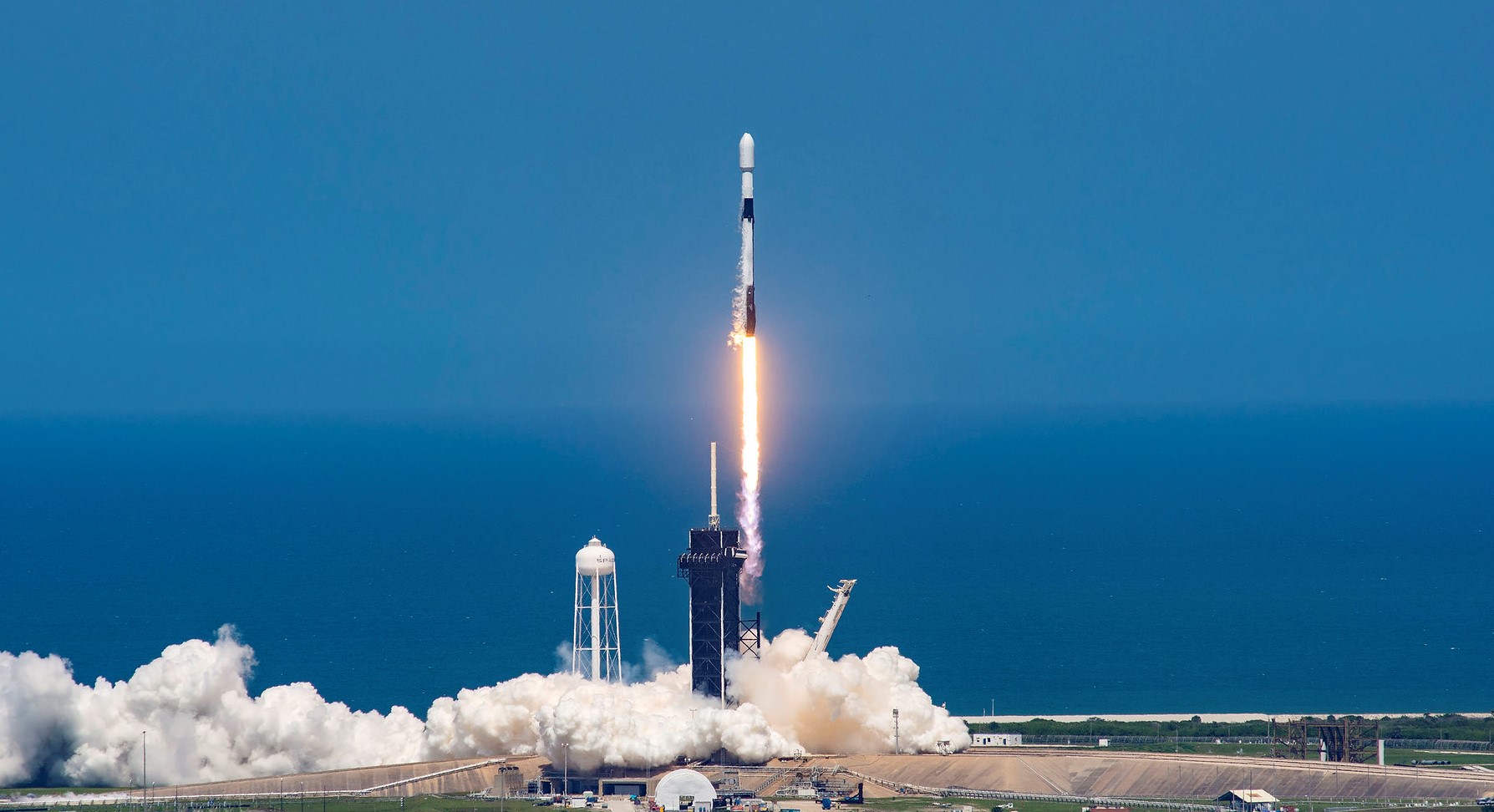
Falcon 9 Block 5 | FOO Fighter (F2)
SpaceX | United States of AmericaCape Canaveral SFS, FL, USA
TBD December, 2027
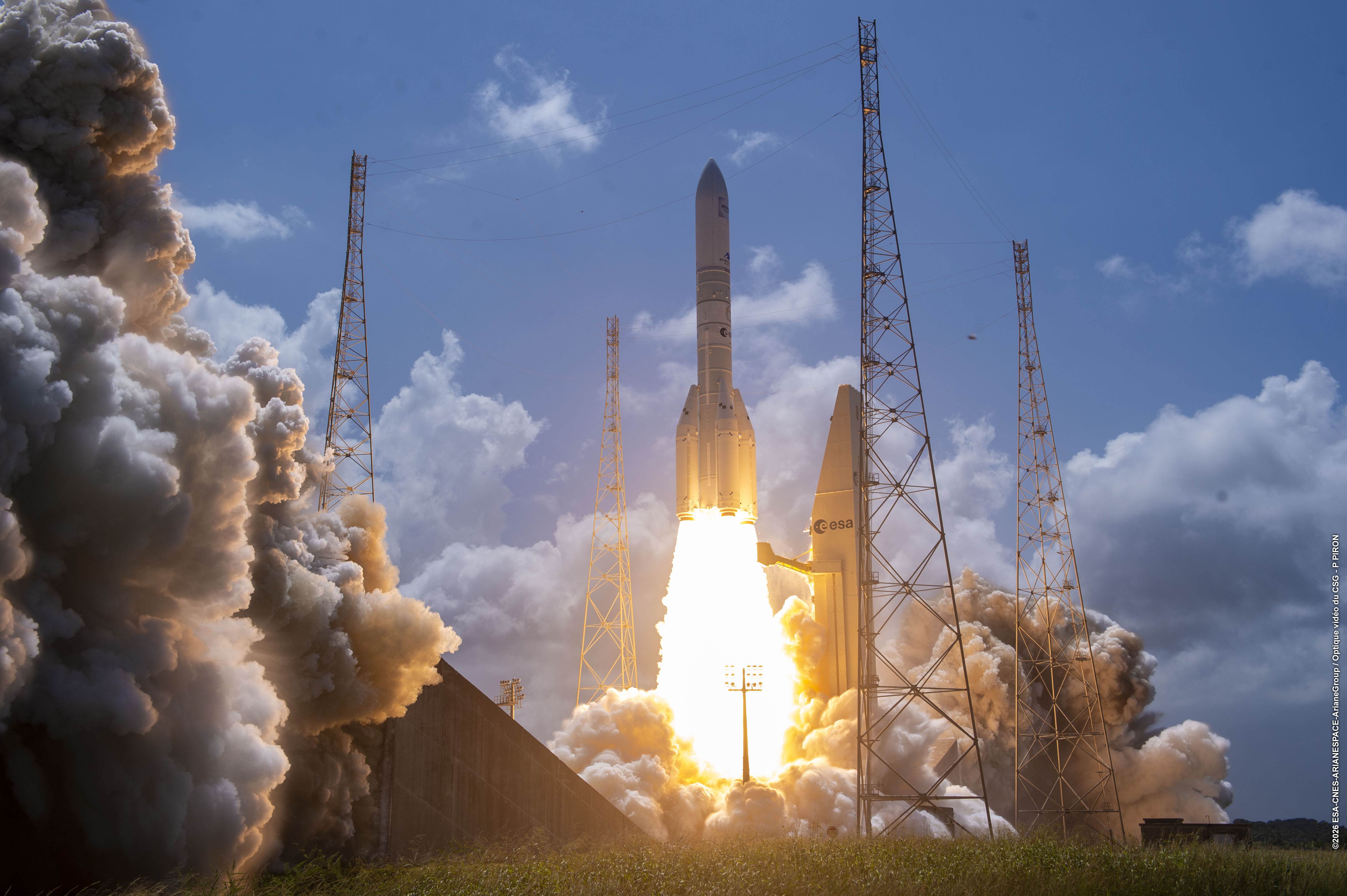
Ariane 64 | IS-41 & IS-44
ArianeGroup | FranceGuiana Space Centre, French Guiana
TBD December, 2027
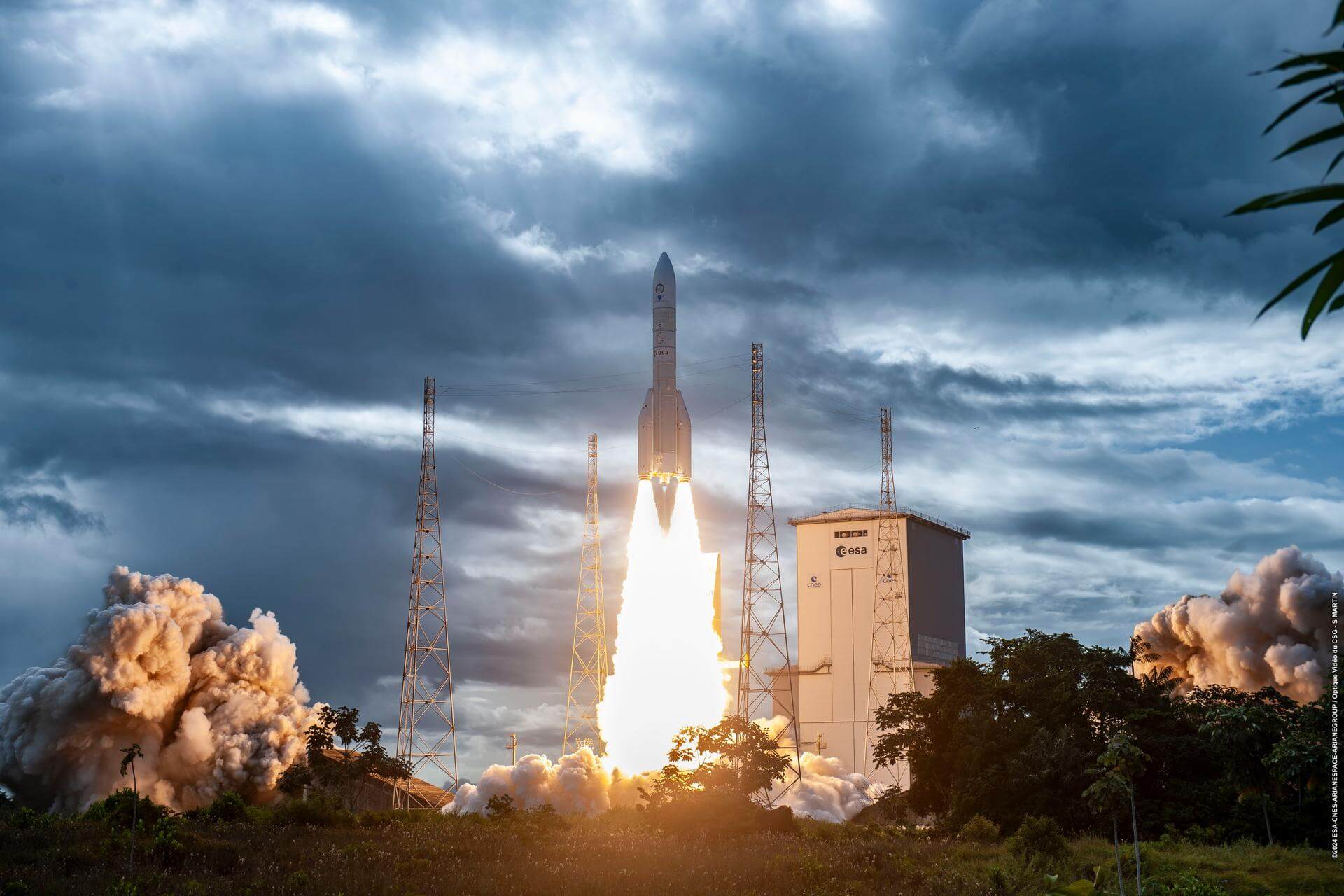
Ariane 6 | NEXUS-1
ArianeGroup | FranceGuiana Space Centre, French Guiana
TBD December, 2027
Status: To Be Determined
Mission:
Katalyst Space Technologies' robotic space vehicle NEXUS-1 will dock with other satellites to install hardware, reposition spacecraft, and extend mission life, offering a faster, lower-cost alternative to replacement of satellites. NEXUS-1 will begin delivering these services through initial government missions before supporting commercial operators. Initial operations include installing a sensor on a Space Force satellite to detect and identify nearby spacecraft and conducting additional rendezvous and proximity operations to support space domain awareness. Following these missions, NEXUS-1 will transition to commercial servicing operations for communications satellite operators seeking to maintain and upgrade spacecraft already in orbit.
Geostationary Orbit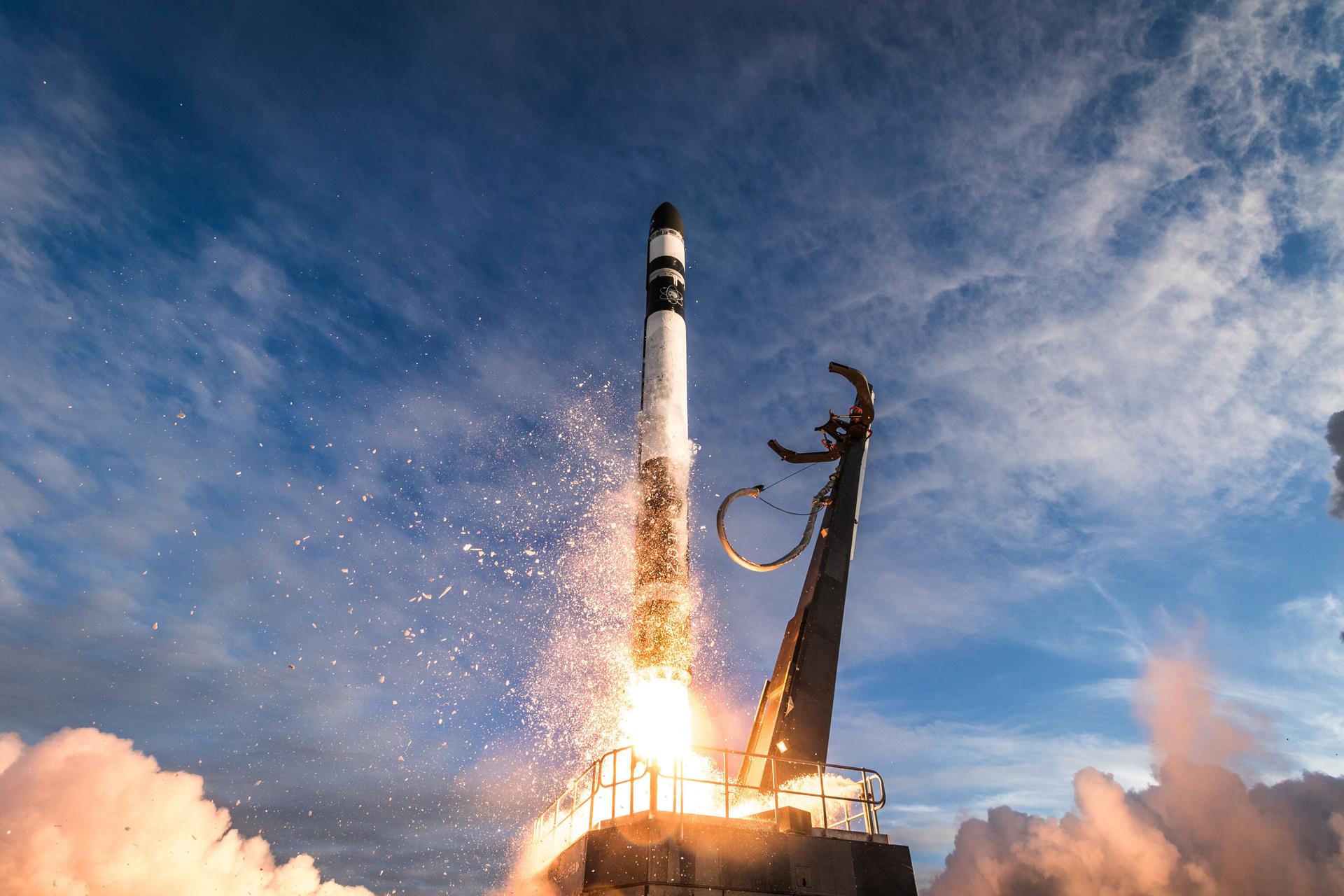
Electron | StriX Launch 17
Rocket Lab | United States of AmericaRocket Lab Launch Complex 1, Mahia Peninsula, New Zealand
TBD December, 2027
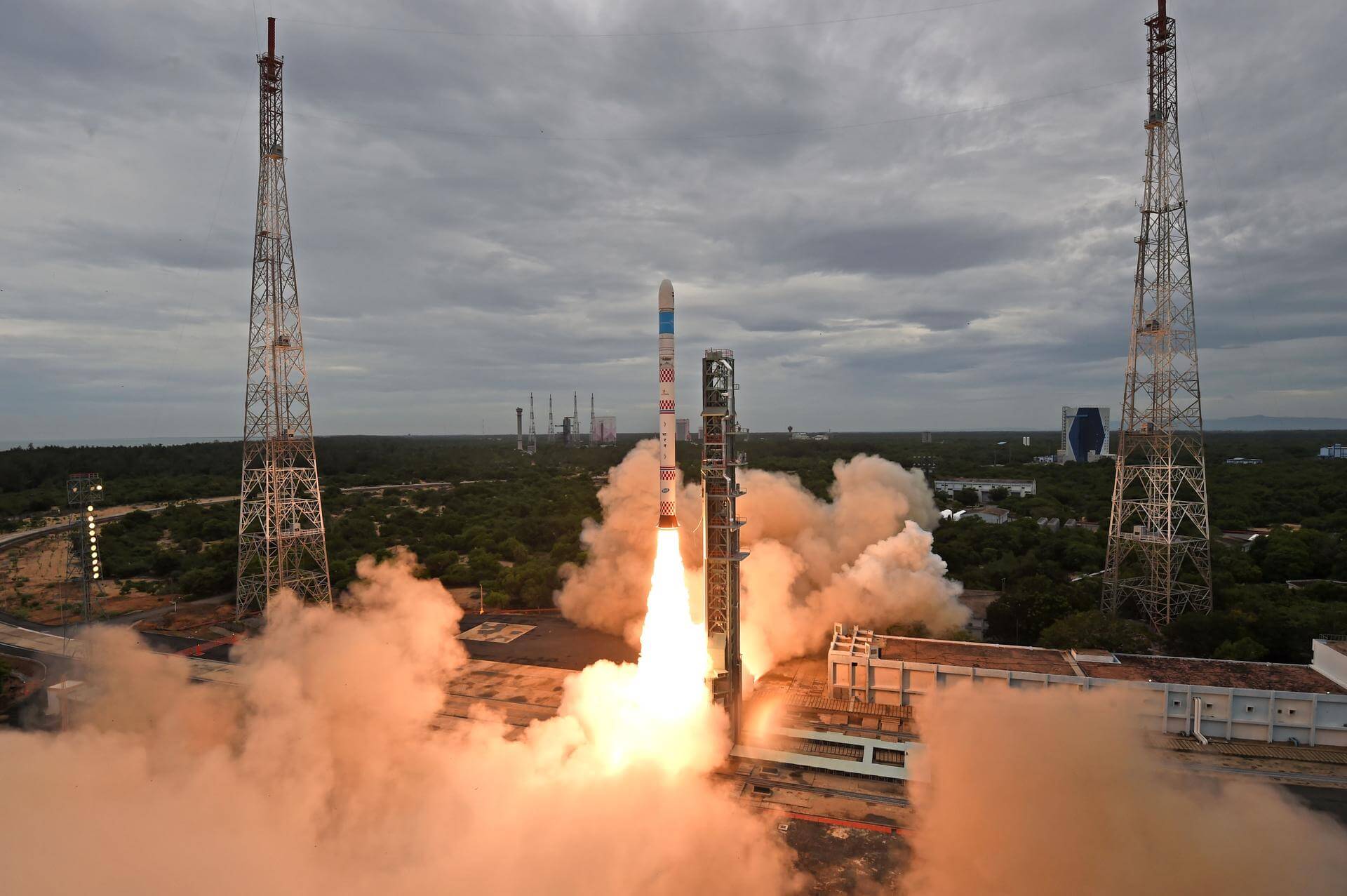
SSLV | Space MAITRI
Indian Space Research Organization | IndiaSatish Dhawan Space Centre, India
TBD December, 2027
Status: To Be Determined
Mission:
Space Machines Company (SMC)'s second Optimus Orbital Transfer Vehicle (OTV), will launch on a mission designated Space MAITRI (Mission for Australia-India’s Technology, Research and Innovation). The mission will focus on debris management and sustainability, and will significantly advance Australia’s domestic space industry by combining Australian spacecraft capabilities with India's launch expertise. After separation, Optimus will perform a series of propulsive on-orbit maneuvers to inspect a space object in close proximity. It will then spend several months on orbit examining space debris to demonstrate affordable and accessible space sustainability technologies.
Low Earth OrbitFalcon 9 Block 5 | TSIS-2
SpaceX | United States of AmericaCape Canaveral SFS, FL, USA
TBD December, 2027
Status: To Be Determined
Mission:
The Total and Spectral Solar Irradiance Sensor 2 (TSIS-2) is a satellite designed by NASA to measure the Sun's energy input to Earth. TSIS-2 comprises two instruments, the Total Irradiance Monitor (TIM), and the spectral Irradiance Monitor (SIM). TIM measures total brightness and SIM measures spectral irradiance over a wavelength range that includes 96% of the energy in the solar spectrum. Both instruments are similar to those used for the TSIS-1 mission onboard the International Space Station.
Sun-Synchronous Orbit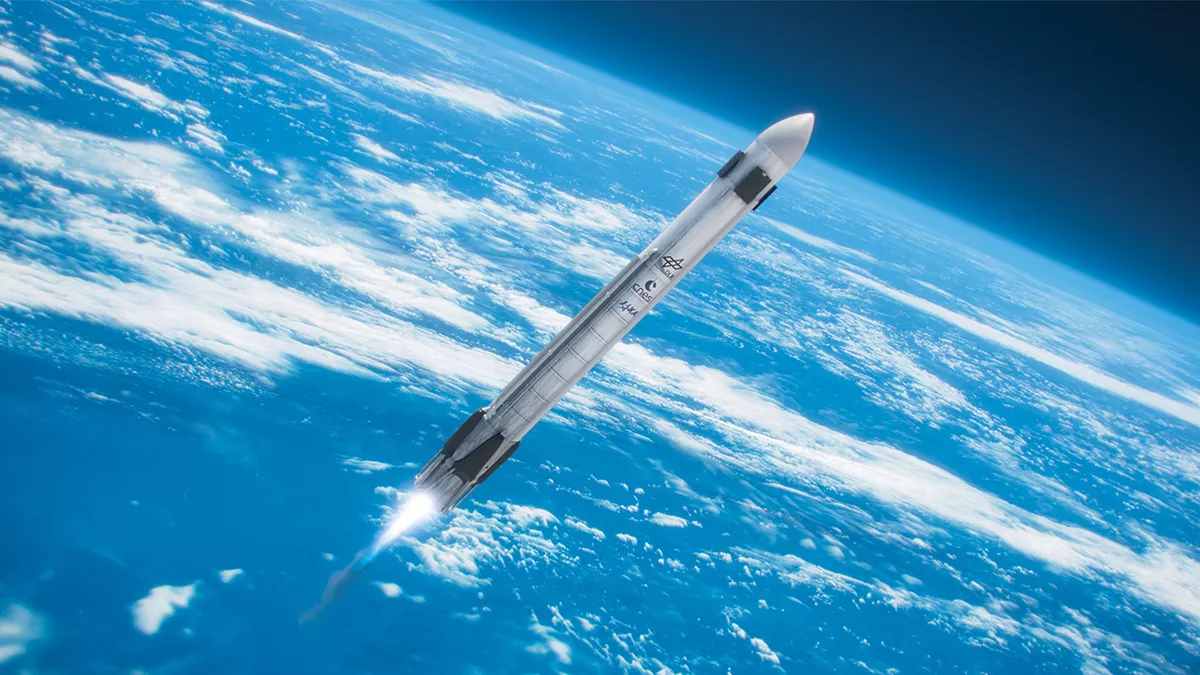
Callisto | Flight 1
National Center of Space Research | FranceGuiana Space Centre, French Guiana
TBD December, 2027
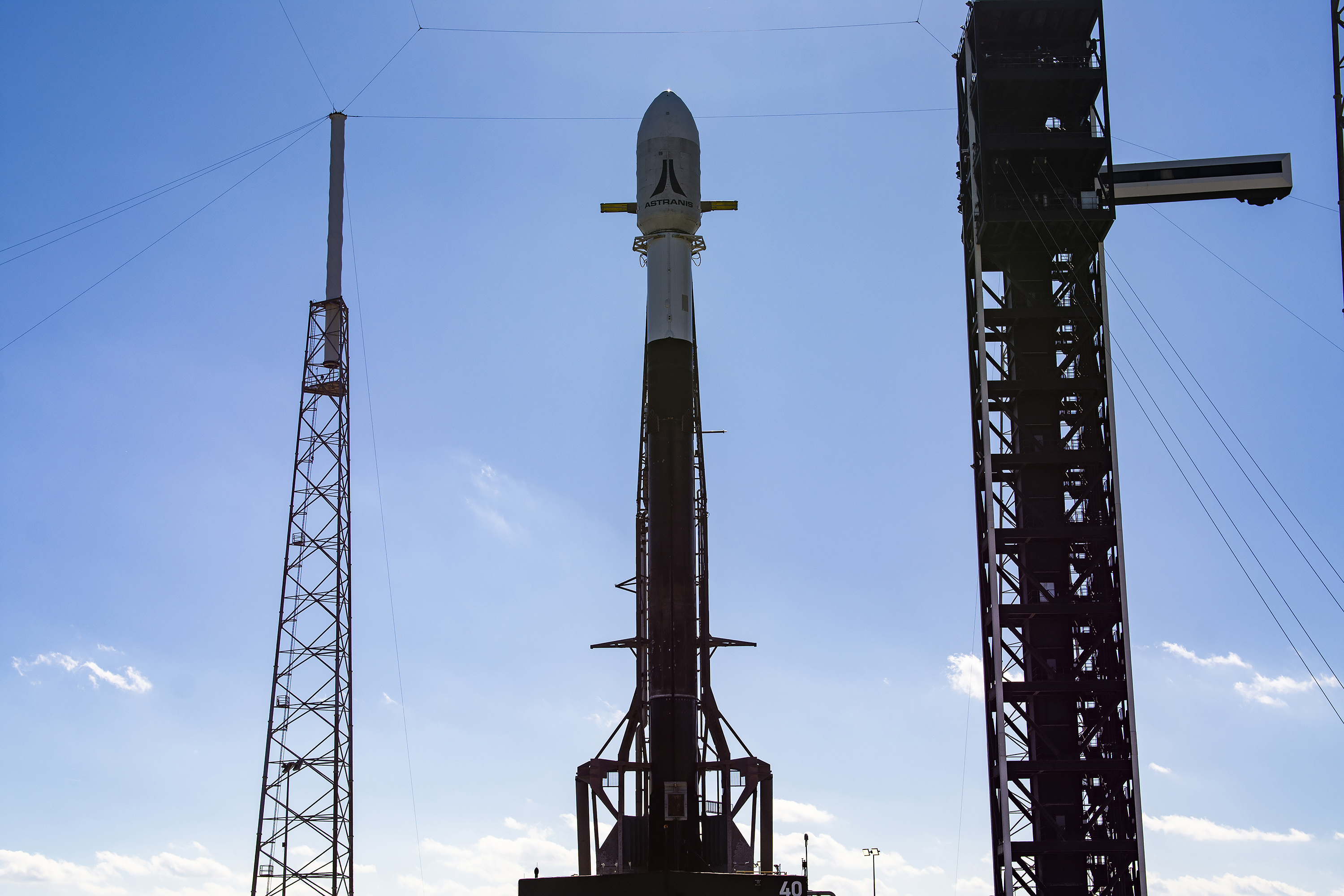
Falcon 9 Block 5 | 6x Astranis MicroGEO
SpaceX | United States of AmericaCape Canaveral SFS, FL, USA
TBD December, 2027
Status: To Be Determined
Mission:
Six Astranis MicroGEO communications satellite to be inserted into Low Earth orbit by the Falcon 9, from where the Helios upper stage provided by Impulse Space will carry the satellites to geostationary orbit within 24 hours of launch.
Geostationary OrbitElectron | StriX Launch 16
Rocket Lab | United States of AmericaRocket Lab Launch Complex 1, Mahia Peninsula, New Zealand
TBD December, 2027
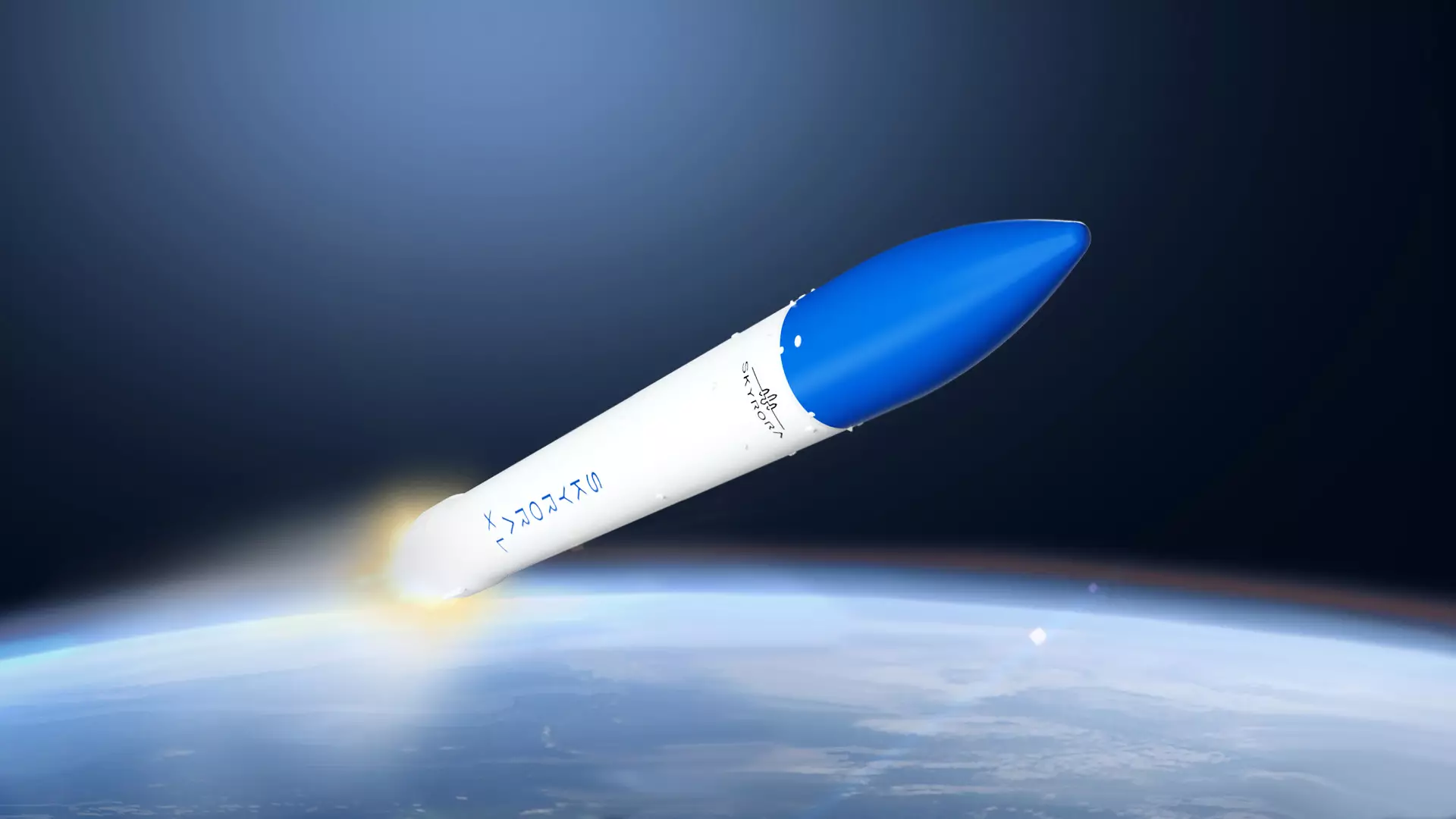
Skyrora XL | Maiden flight
Skyrora | United KingdomSaxaVord Spaceport
TBD December, 2027
Long March 6A
SatNet LEO Group 21
Launch Complex 9A - Taiyuan Satellite Launch Center, People's Republic of ChinaA batch of 5 Low Earth Orbit communication satellites for the Chinese state owned SatNet constellation operated by the China Satellite Network Group.…
Long March 8
SpaceSail Polar Group 07
Commercial LC-1 - Wenchang Space Launch Site, People's Republic of China18 Low Earth Orbit communication satellites with Ku, Q and V band payloads for the G60 constellation operated by Shanghai Spacesail Technologies with…
Minotaur IV
STP-S29A
Space Launch Complex 8 - Vandenberg SFB, CA, USASTP-S29A is a mission under the U.S. Department of Defense's Space Test Program (STP) that will deliver technology demonstrations to orbit and contri…
Falcon 9
Starlink Group 17-35
Space Launch Complex 4E - Vandenberg SFB, CA, USAA batch of 25 satellites for the Starlink mega-constellation - SpaceX's project for space-based Internet communication system.
Atlas V 551
Amazon Leo (LA-05)
Space Launch Complex 41 - Cape Canaveral SFS, FL, USAAmazon Leo, formerly known as Project Kuiper, is a mega constellation of satellites in Low Earth Orbit that will offer broadband internet access, thi…
Soyuz 2.1a/Fregat-M
Meridian-M No.21L
43/3 (43L) - Plesetsk Cosmodrome, Russian FederationNote: Payload identity uncertain. Meridian is a series of communications satellite for military and civilian use.
Tianlong-3
Demo Flight
Tianlong-3 Launch Pad - Jiuquan Satellite Launch Center, People's Republic of ChinaFirst test launch of Space Pioneer’s Tianlong-3 rocket.
Falcon 9
Starlink Group 10-58
Space Launch Complex 40 - Cape Canaveral SFS, FL, USAA batch of 29 satellites for the Starlink mega-constellation - SpaceX's project for space-based Internet communication system.
Space Launch System (SLS)
Artemis II
Launch Complex 39B - Kennedy Space Center, FL, USAArtemis II is the first crewed mission as part of the Artemis program. Artemis II will send a crew of 4 - 3 Americans and 1 Canadian around the moon …
Falcon 9
Starlink Group 10-44
Space Launch Complex 40 - Cape Canaveral SFS, FL, USAA batch of 29 satellites for the Starlink mega-constellation - SpaceX's project for space-based Internet communication system.

