Florida Launch Schedule
Upcoming launches out of Kennedy Space Center and Cape Canaveral AFB

Falcon 9 Block 5 | Al Yah 5
SpaceX | United States of AmericaCape Canaveral SFS, FL, USA
TBD December, 2028
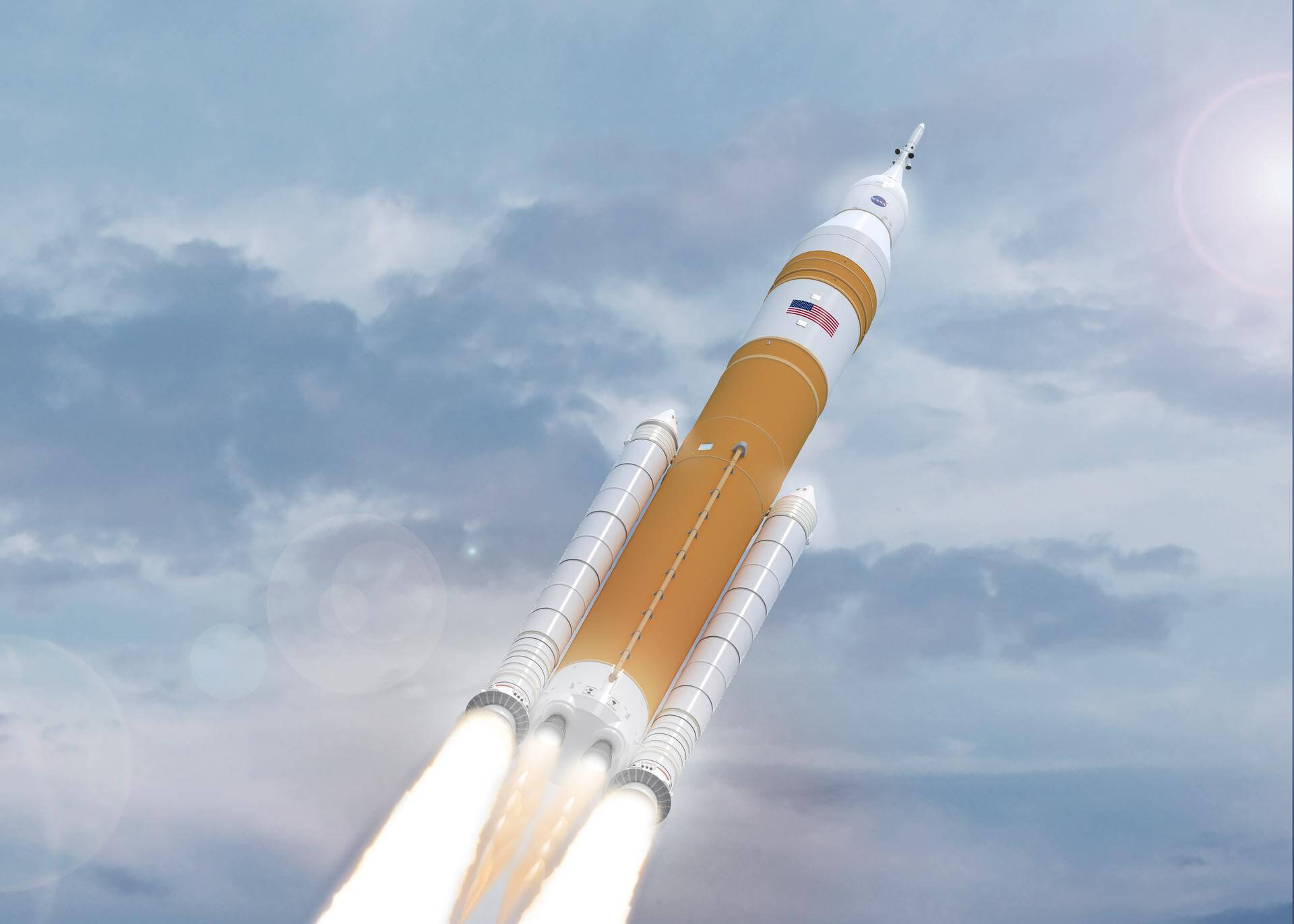
SLS Block 1B | Artemis V
National Aeronautics and Space Administration | United States of AmericaKennedy Space Center, FL, USA
TBD December, 2028
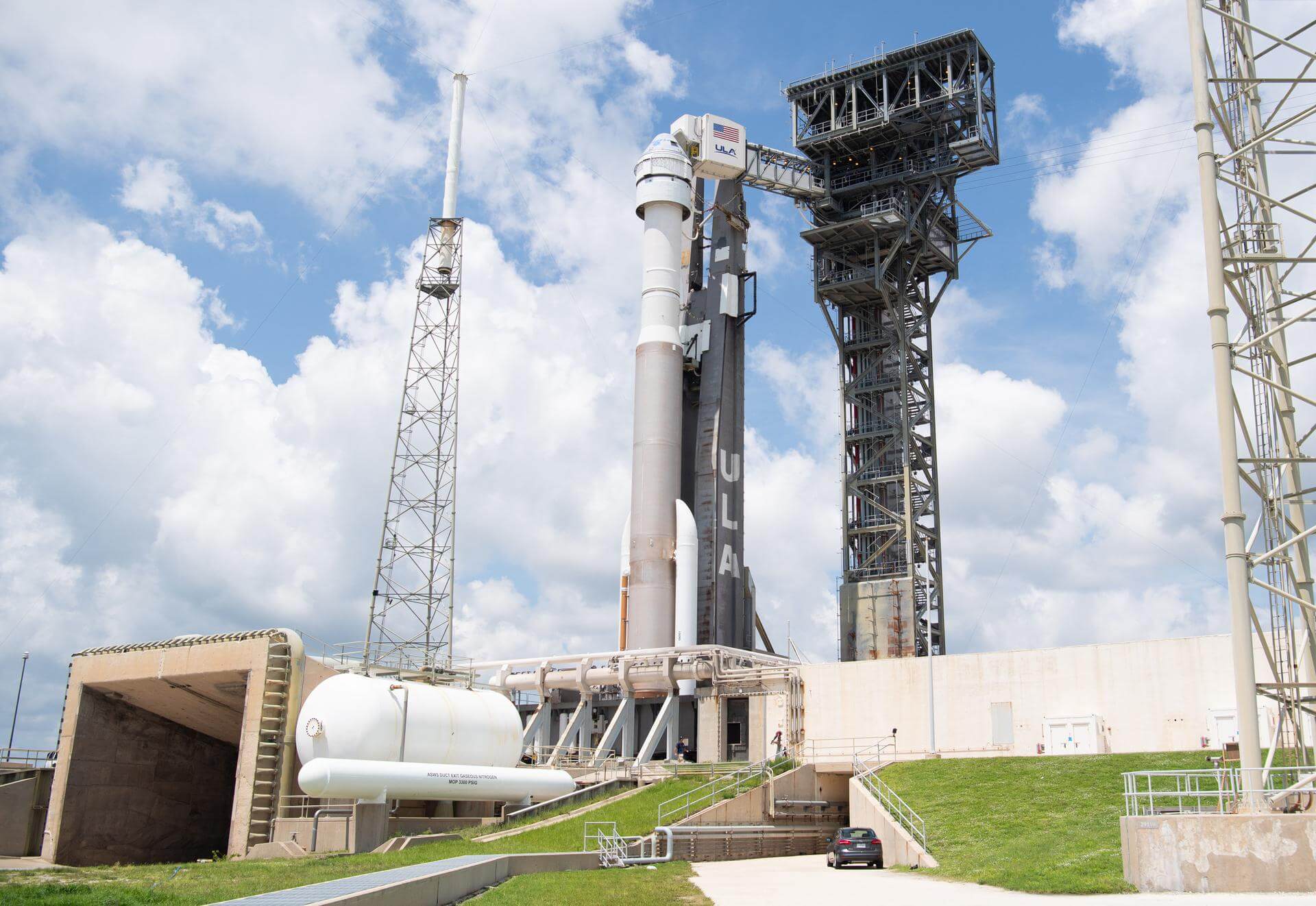
Atlas V N22 | Starliner-5
United Launch Alliance | United States of AmericaCape Canaveral SFS, FL, USA
TBD December, 2028
Falcon 9 Block 5 | KPS-1
SpaceX | United States of AmericaCape Canaveral SFS, FL, USA
TBD September, 2029
Status: To Be Determined
Mission:
KPS-1 is South Korea's first navigation satellite, the 1st of 8 satellites planned for the Korean Positioning System (KPS). This will be one of 5 satellites to be deployed into an Inclined Geosynchronous Orbit (IGSO), with the other 3 in geostationary orbits. The KPS is scheduled to be completed by 2035.
Geosynchronous Transfer OrbitFalcon 9 Block 5 | USSF-234
SpaceX | United States of AmericaCape Canaveral SFS, FL, USA
TBD December, 2029
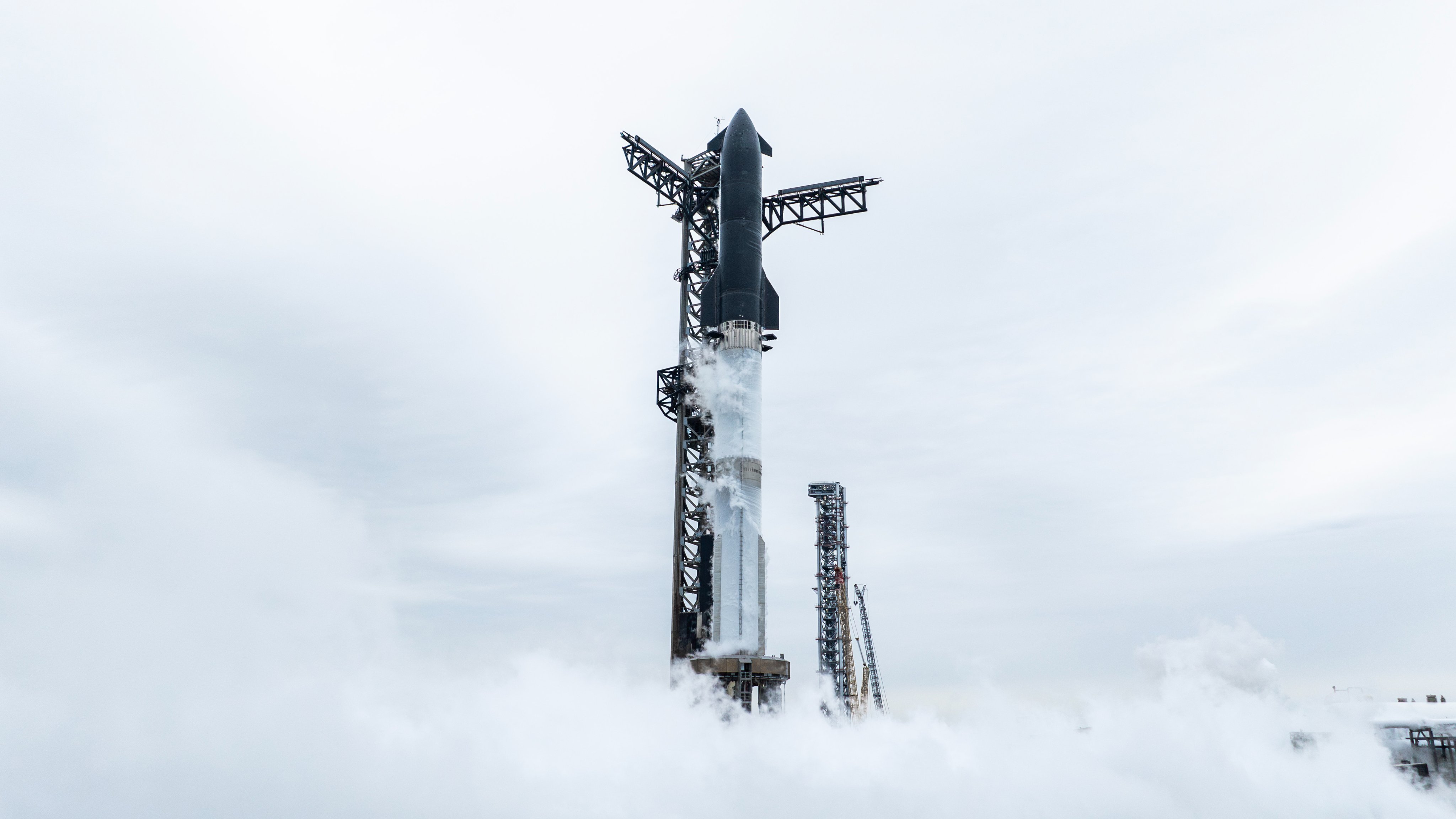
Starship | Starlab
SpaceX | United States of AmericaKennedy Space Center, FL, USA
TBD December, 2029
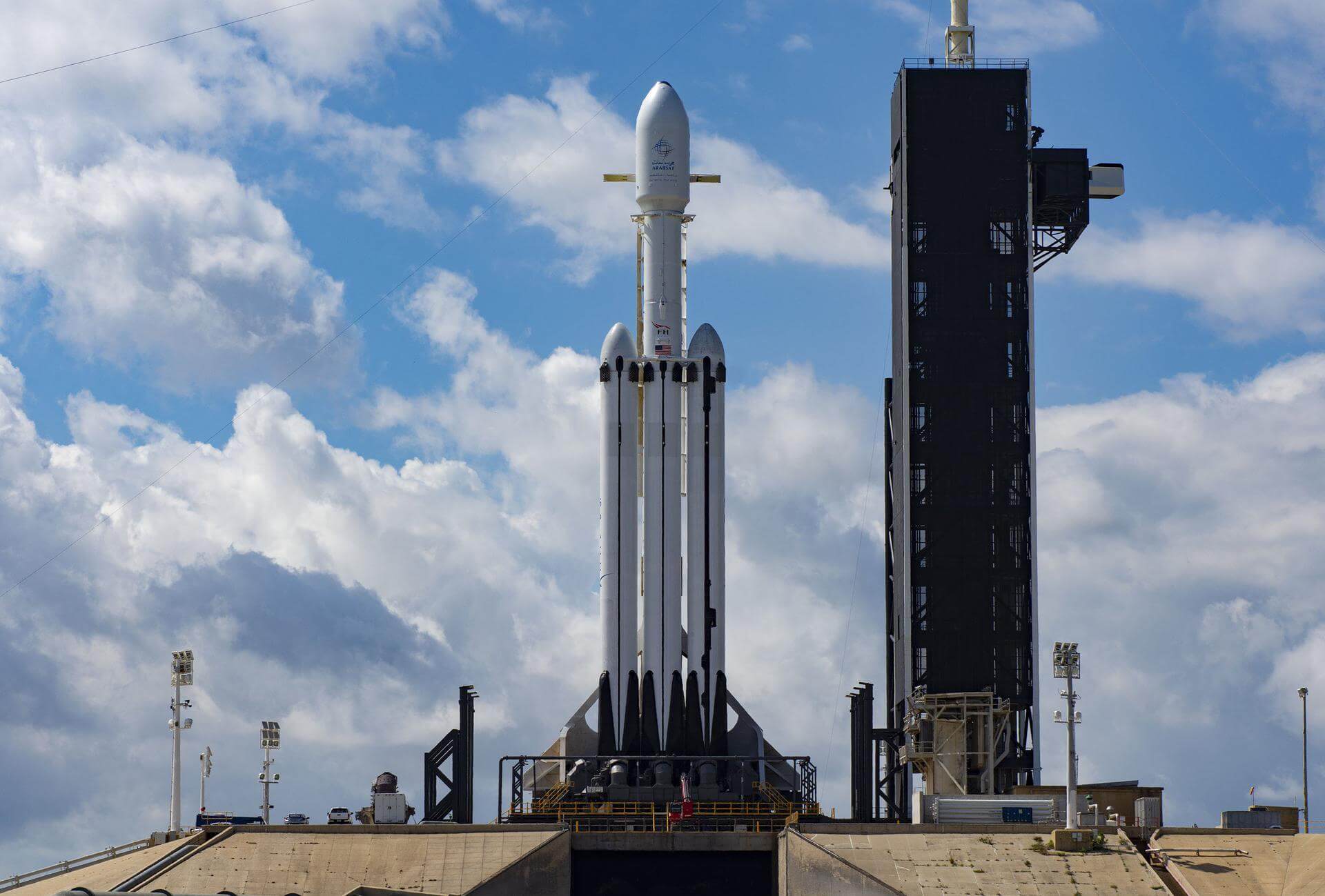
Falcon Heavy | NROL-97
SpaceX | United States of AmericaKennedy Space Center, FL, USA
TBD December, 2029
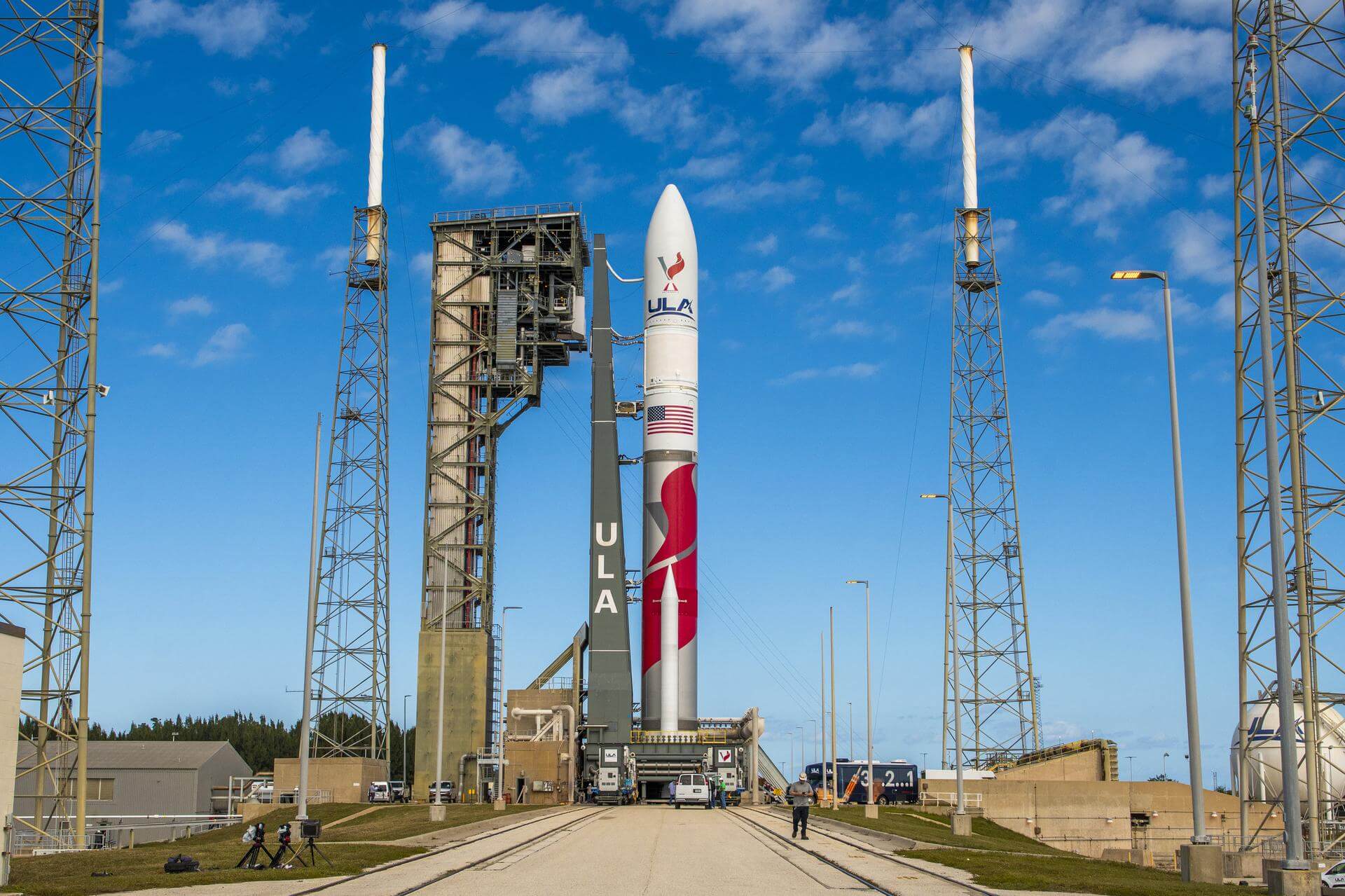
Vulcan | GPS IIIF SV02 (USSF-49)
United Launch Alliance | United States of AmericaCape Canaveral SFS, FL, USA
TBD December, 2029
Vulcan | NGG-2 (USSF-50)
United Launch Alliance | United States of AmericaCape Canaveral SFS, FL, USA
TBD December, 2029
Falcon Heavy | USSF-186
SpaceX | United States of AmericaKennedy Space Center, FL, USA
TBD December, 2029
Long March 6A
SatNet LEO Group 21
Launch Complex 9A - Taiyuan Satellite Launch Center, People's Republic of ChinaA batch of 5 Low Earth Orbit communication satellites for the Chinese state owned SatNet constellation operated by the China Satellite Network Group.…
Long March 8
SpaceSail Polar Group 07
Commercial LC-1 - Wenchang Space Launch Site, People's Republic of China18 Low Earth Orbit communication satellites with Ku, Q and V band payloads for the G60 constellation operated by Shanghai Spacesail Technologies with…
Minotaur IV
STP-S29A
Space Launch Complex 8 - Vandenberg SFB, CA, USASTP-S29A is a mission under the U.S. Department of Defense's Space Test Program (STP) that will deliver technology demonstrations to orbit and contri…
Falcon 9
Starlink Group 17-35
Space Launch Complex 4E - Vandenberg SFB, CA, USAA batch of 25 satellites for the Starlink mega-constellation - SpaceX's project for space-based Internet communication system.
Atlas V 551
Amazon Leo (LA-05)
Space Launch Complex 41 - Cape Canaveral SFS, FL, USAAmazon Leo, formerly known as Project Kuiper, is a mega constellation of satellites in Low Earth Orbit that will offer broadband internet access, thi…
Soyuz 2.1a/Fregat-M
Meridian-M No.21L
43/3 (43L) - Plesetsk Cosmodrome, Russian FederationNote: Payload identity uncertain. Meridian is a series of communications satellite for military and civilian use.
Tianlong-3
Demo Flight
Tianlong-3 Launch Pad - Jiuquan Satellite Launch Center, People's Republic of ChinaFirst test launch of Space Pioneer’s Tianlong-3 rocket.
Falcon 9
Starlink Group 10-58
Space Launch Complex 40 - Cape Canaveral SFS, FL, USAA batch of 29 satellites for the Starlink mega-constellation - SpaceX's project for space-based Internet communication system.
Space Launch System (SLS)
Artemis II
Launch Complex 39B - Kennedy Space Center, FL, USAArtemis II is the first crewed mission as part of the Artemis program. Artemis II will send a crew of 4 - 3 Americans and 1 Canadian around the moon …
Falcon 9
Starlink Group 10-44
Space Launch Complex 40 - Cape Canaveral SFS, FL, USAA batch of 29 satellites for the Starlink mega-constellation - SpaceX's project for space-based Internet communication system.

