Florida Launch Schedule
Upcoming launches out of Kennedy Space Center and Cape Canaveral AFB
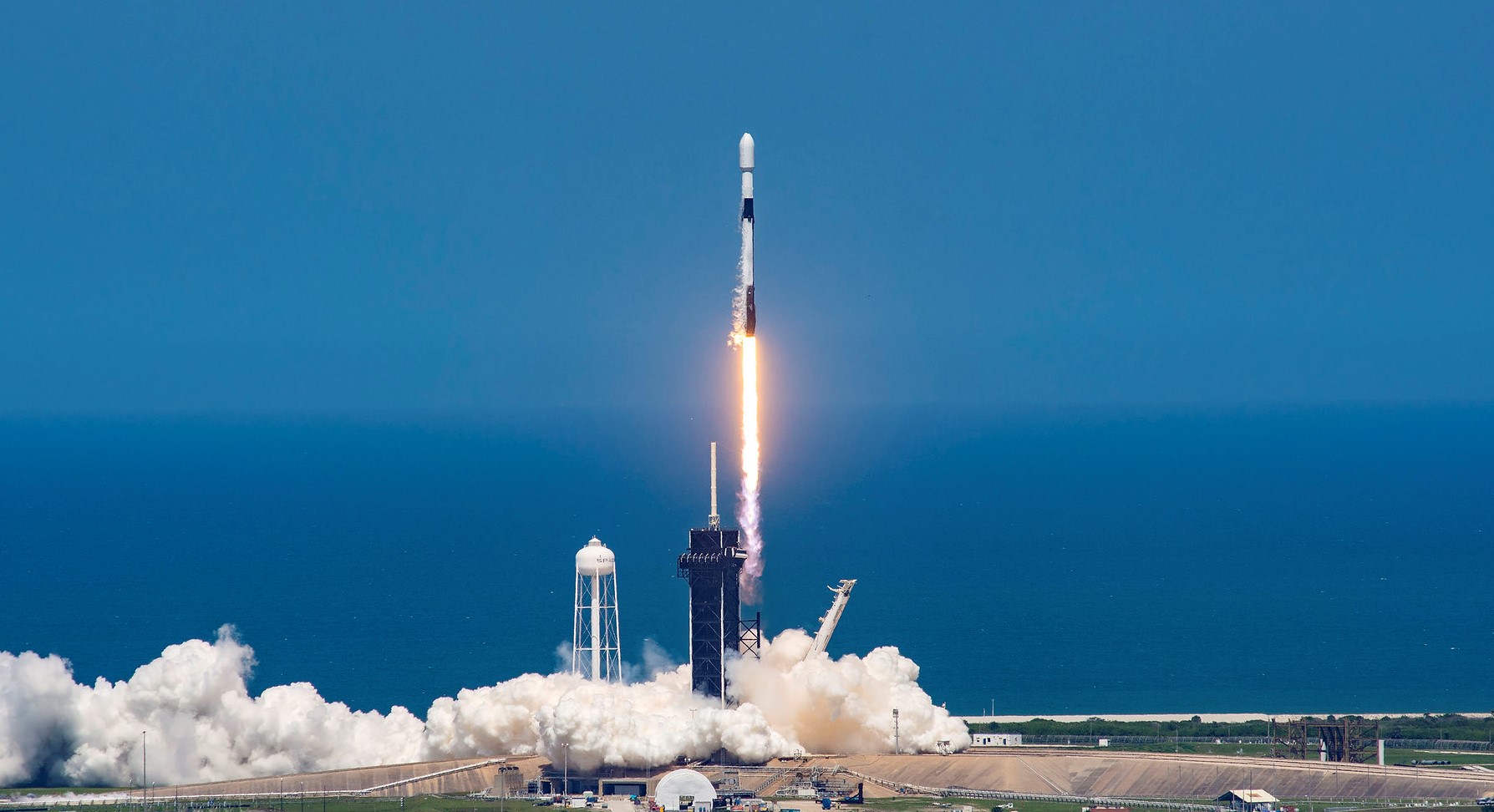
Falcon 9 Block 5 | Vast-1
SpaceX | United States of AmericaKennedy Space Center, FL, USA
TBD June, 2027
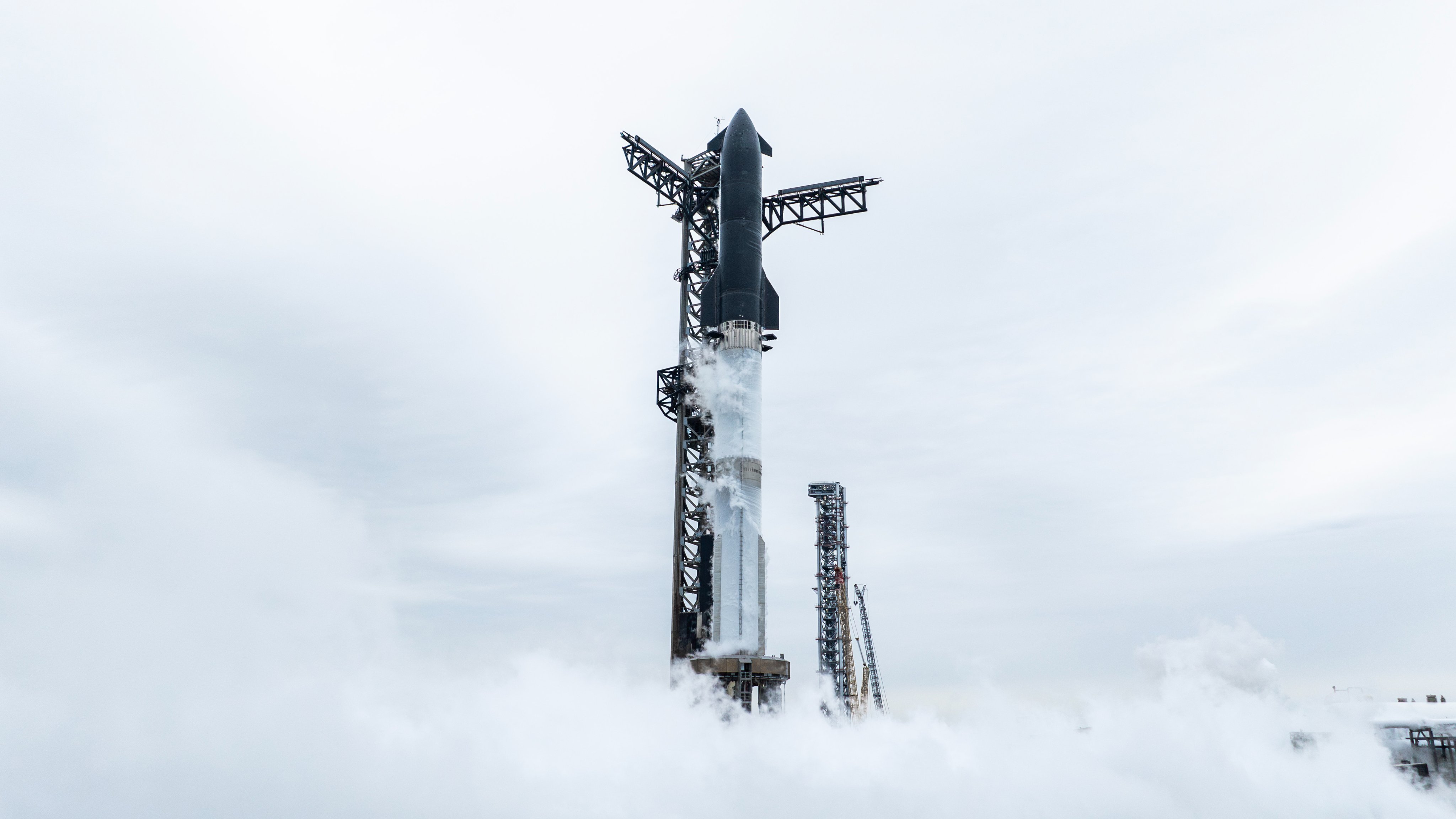
Starship | Superbird-9
SpaceX | United States of AmericaKennedy Space Center, FL, USA
TBD June, 2027
Falcon 9 Block 5 | SDA Tranche 2 Tracking Layer C
SpaceX | United States of AmericaCape Canaveral SFS, FL, USA
TBD June, 2027
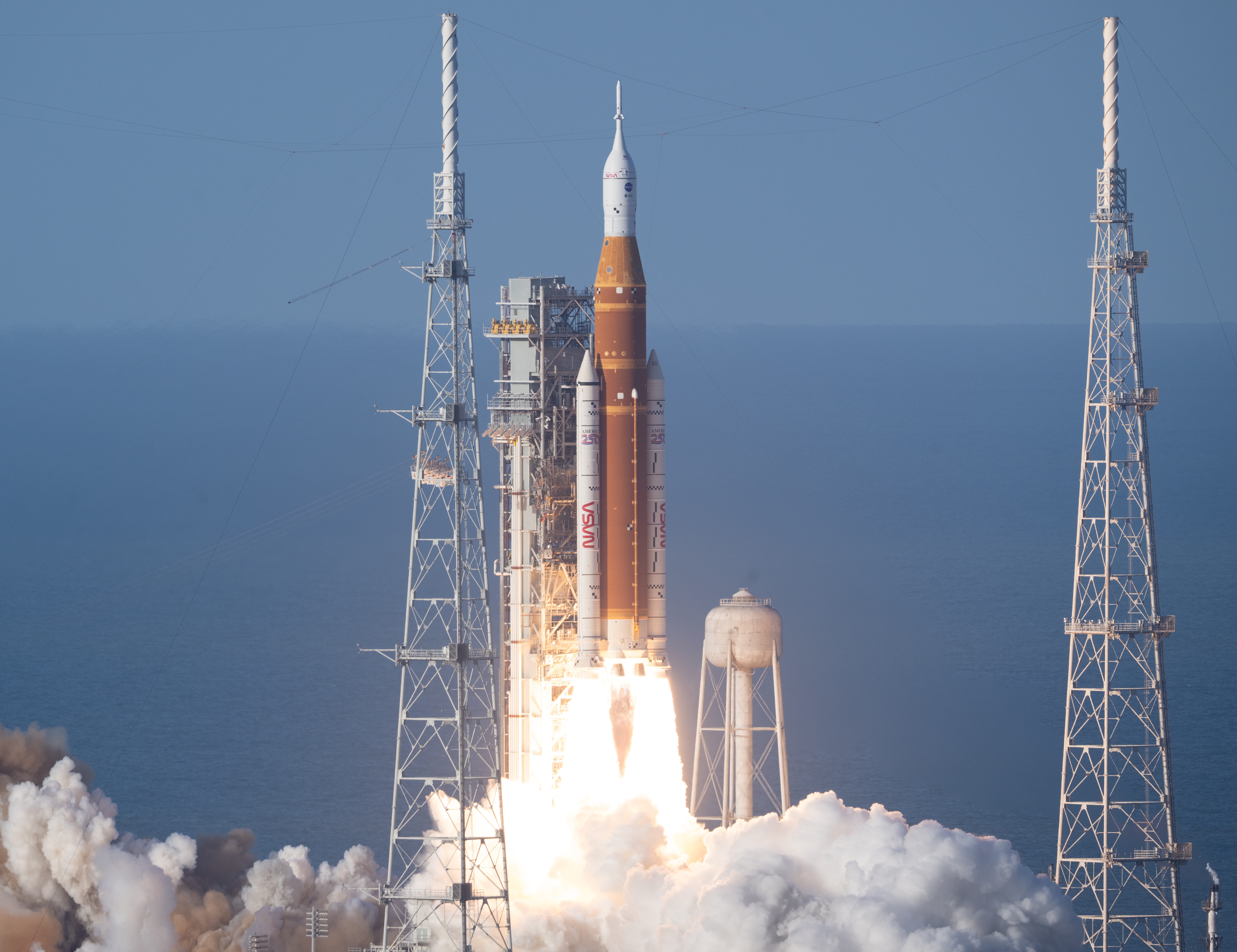
SLS Block 1 | Artemis III
National Aeronautics and Space Administration | United States of AmericaKennedy Space Center, FL, USA
TBD June, 2027
Status: To Be Determined
Mission:
Artemis III is the second crew mission as part of the Artemis program. Artemis III will send a crew of 4 on a Low Earth Orbit mission, with the Orion rendezvous and dock with one or both commercial lunar landers in development by SpaceX and Blue Origin, performing in-space tests of the docked vehicles, integrated checkout of life support, communications, and propulsion systems, as well as tests of the new Extravehicular Activity (xEVA) suits.
Low Earth Orbit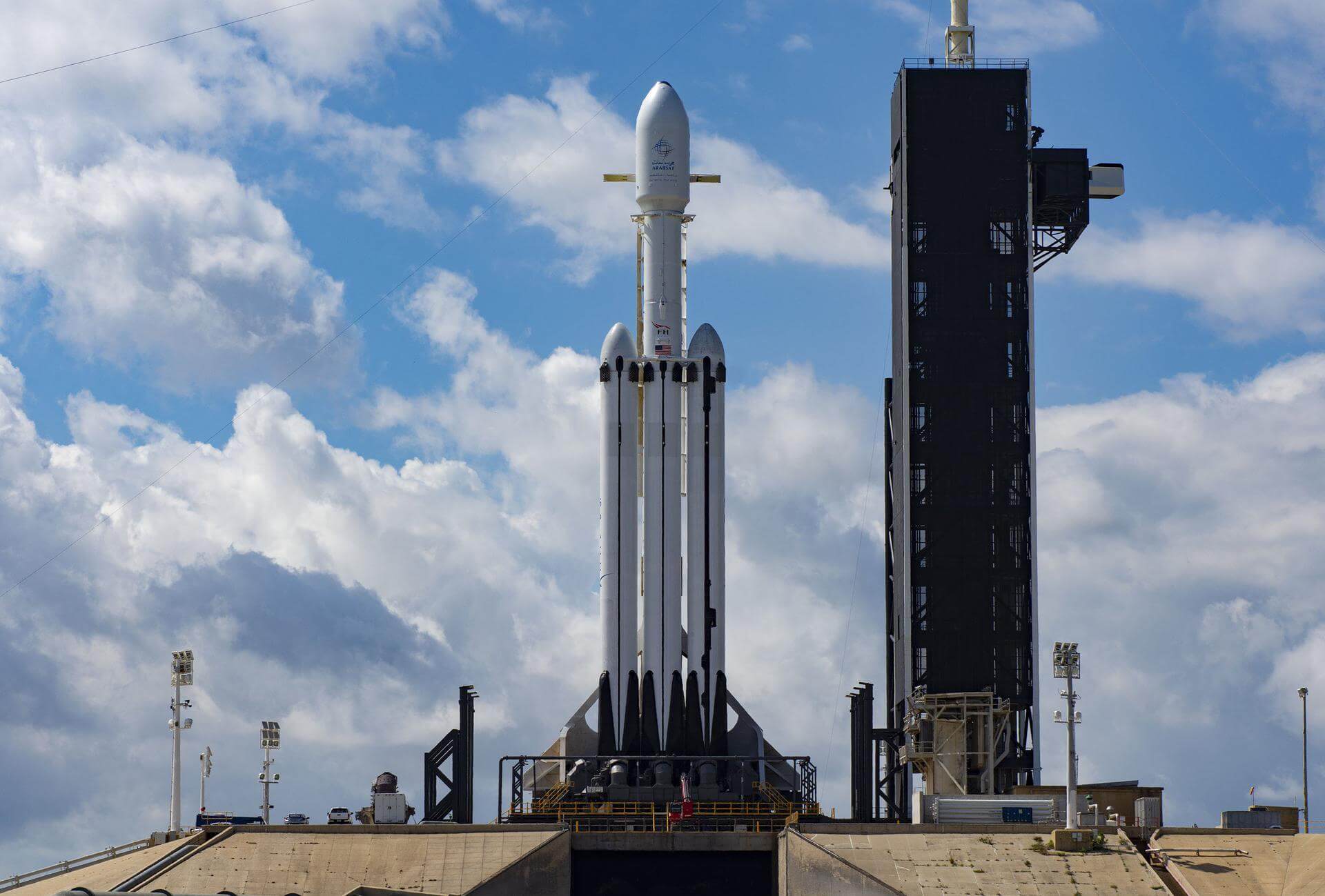
Falcon Heavy | NROL-86
SpaceX | United States of AmericaKennedy Space Center, FL, USA
TBD June, 2027
Falcon Heavy | USSF-155
SpaceX | United States of AmericaKennedy Space Center, FL, USA
TBD June, 2027
Falcon Heavy | USSF-63
SpaceX | United States of AmericaKennedy Space Center, FL, USA
TBD June, 2027
Falcon 9 Block 5 | USSF-149
SpaceX | United States of AmericaCape Canaveral SFS, FL, USA
TBD June, 2027
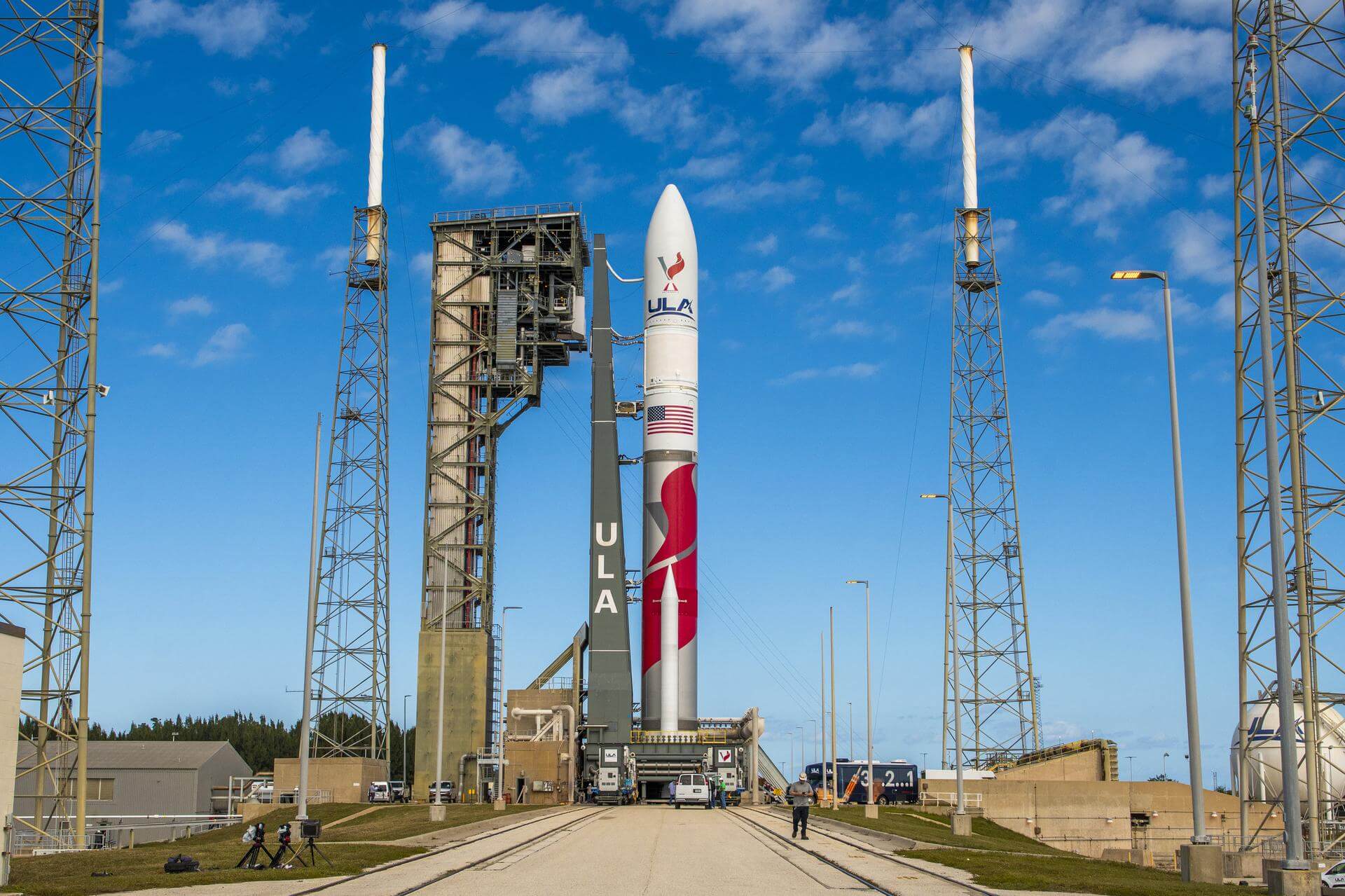
Vulcan | USSF-95
United Launch Alliance | United States of AmericaCape Canaveral SFS, FL, USA
TBD June, 2027
Falcon 9 Block 5 | SDA Tranche 2 Transport Layer J
SpaceX | United States of AmericaCape Canaveral SFS, FL, USA
TBD June, 2027
Long March 6A
SatNet LEO Group 21
Launch Complex 9A - Taiyuan Satellite Launch Center, People's Republic of ChinaA batch of 5 Low Earth Orbit communication satellites for the Chinese state owned SatNet constellation operated by the China Satellite Network Group.…
Long March 8
SpaceSail Polar Group 07
Commercial LC-1 - Wenchang Space Launch Site, People's Republic of China18 Low Earth Orbit communication satellites with Ku, Q and V band payloads for the G60 constellation operated by Shanghai Spacesail Technologies with…
Minotaur IV
STP-S29A
Space Launch Complex 8 - Vandenberg SFB, CA, USASTP-S29A is a mission under the U.S. Department of Defense's Space Test Program (STP) that will deliver technology demonstrations to orbit and contri…
Falcon 9
Starlink Group 17-35
Space Launch Complex 4E - Vandenberg SFB, CA, USAA batch of 25 satellites for the Starlink mega-constellation - SpaceX's project for space-based Internet communication system.
Atlas V 551
Amazon Leo (LA-05)
Space Launch Complex 41 - Cape Canaveral SFS, FL, USAAmazon Leo, formerly known as Project Kuiper, is a mega constellation of satellites in Low Earth Orbit that will offer broadband internet access, thi…
Soyuz 2.1a/Fregat-M
Meridian-M No.21L
43/3 (43L) - Plesetsk Cosmodrome, Russian FederationNote: Payload identity uncertain. Meridian is a series of communications satellite for military and civilian use.
Tianlong-3
Demo Flight
Tianlong-3 Launch Pad - Jiuquan Satellite Launch Center, People's Republic of ChinaFirst test launch of Space Pioneer’s Tianlong-3 rocket.
Falcon 9
Starlink Group 10-58
Space Launch Complex 40 - Cape Canaveral SFS, FL, USAA batch of 29 satellites for the Starlink mega-constellation - SpaceX's project for space-based Internet communication system.
Space Launch System (SLS)
Artemis II
Launch Complex 39B - Kennedy Space Center, FL, USAArtemis II is the first crewed mission as part of the Artemis program. Artemis II will send a crew of 4 - 3 Americans and 1 Canadian around the moon …
Falcon 9
Starlink Group 10-44
Space Launch Complex 40 - Cape Canaveral SFS, FL, USAA batch of 29 satellites for the Starlink mega-constellation - SpaceX's project for space-based Internet communication system.

