Upcoming Spaceflight Launches
Filter by Agency, Locations or Vehicles
Show All Launches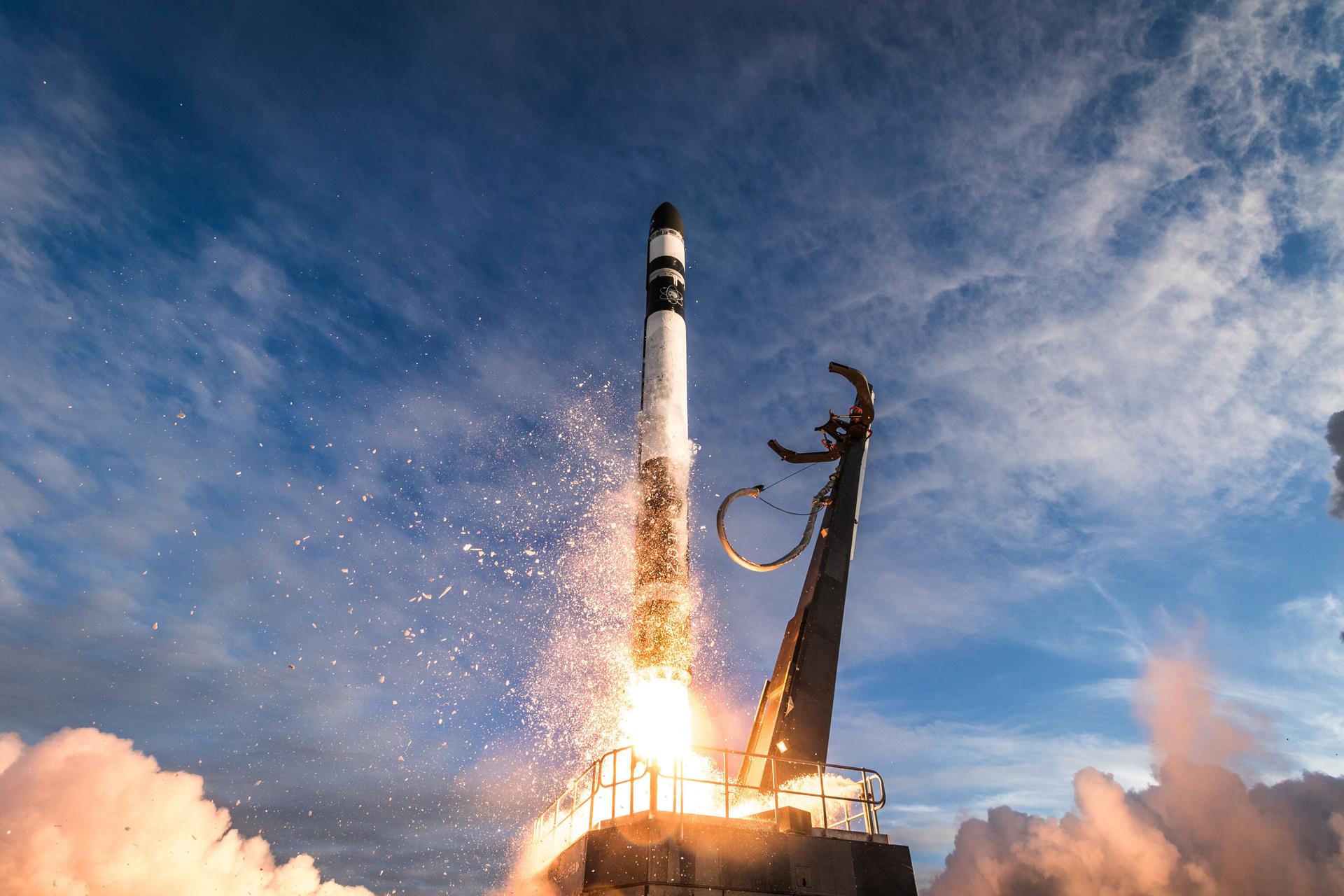
Electron | Aspera
Rocket Lab | United States of AmericaRocket Lab Launch Complex 1, Mahia Peninsula, New Zealand
TBD August, 2026
Status: To Be Determined
Mission:
Aspera houses an ultraviolet telescope and will examine hot gas in the intergalactic medium, thought to be contributing to the birth of stars and planets. Aspera will be the first NASA astrophysics mission to gather and map these ultraviolet light signatures, potentially unlocking a deeper understanding of the origins of stars, planets, and life in the universe.
Low Earth Orbit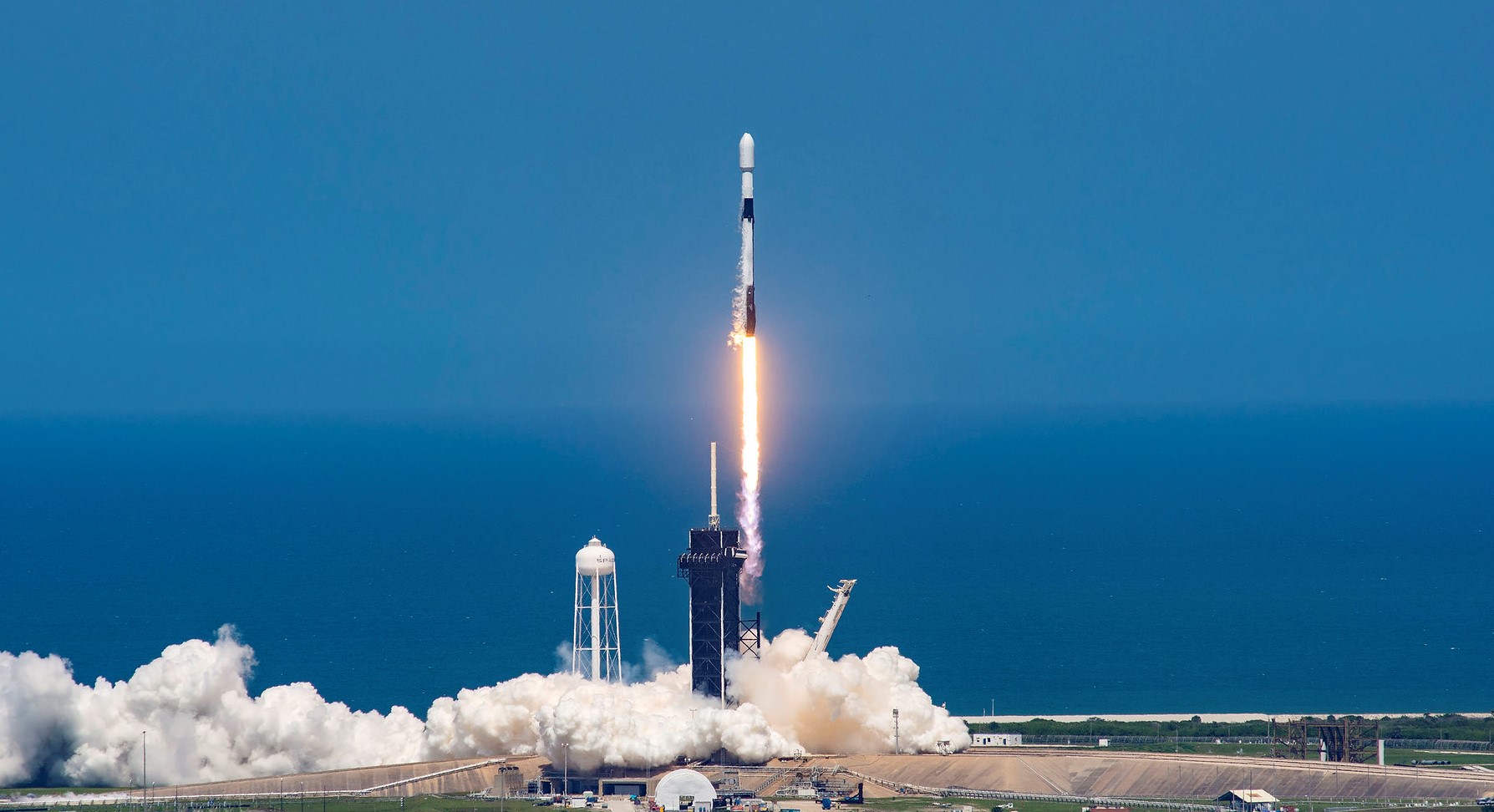
Falcon 9 Block 5 | SDA Tranche 2 Transport Layer A
SpaceX | United States of AmericaVandenberg SFB, CA, USA
TBD August, 2026
Electron | StriX Launch 11
Rocket Lab | United States of AmericaRocket Lab Launch Complex 1, Mahia Peninsula, New Zealand
TBD August, 2026
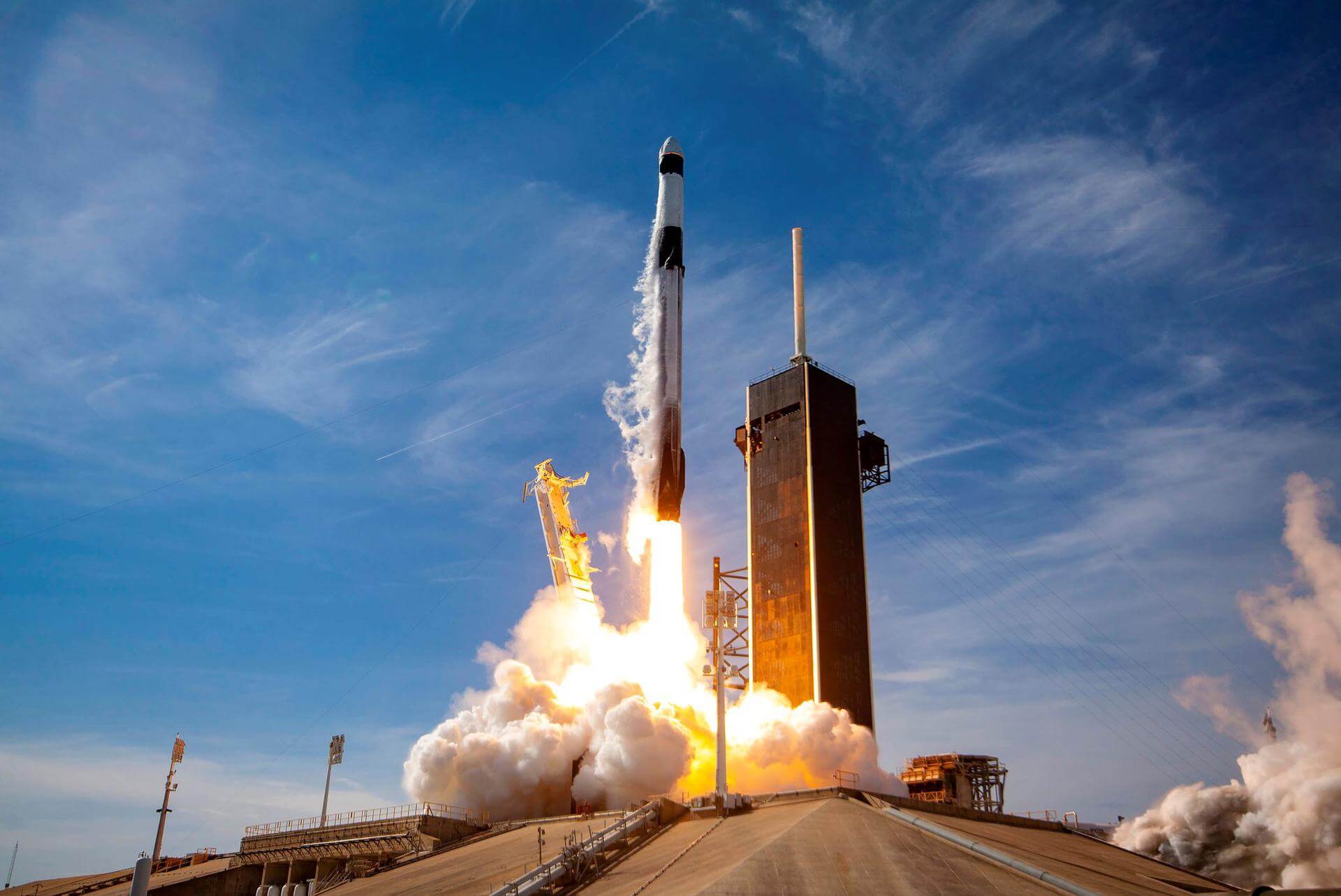
Falcon 9 Block 5 | Dragon CRS-2 SpX-35
SpaceX | United States of AmericaCape Canaveral SFS, FL, USA
TBD August, 2026
Status: To Be Determined
Mission:
35th commercial resupply services mission to the International Space Station operated by SpaceX. The flight will be conducted under the second Commercial Resupply Services contract with NASA. Cargo Dragon 2 brings supplies and payloads, including critical materials to directly support science and research investigations that occur onboard the orbiting laboratory.
Low Earth Orbit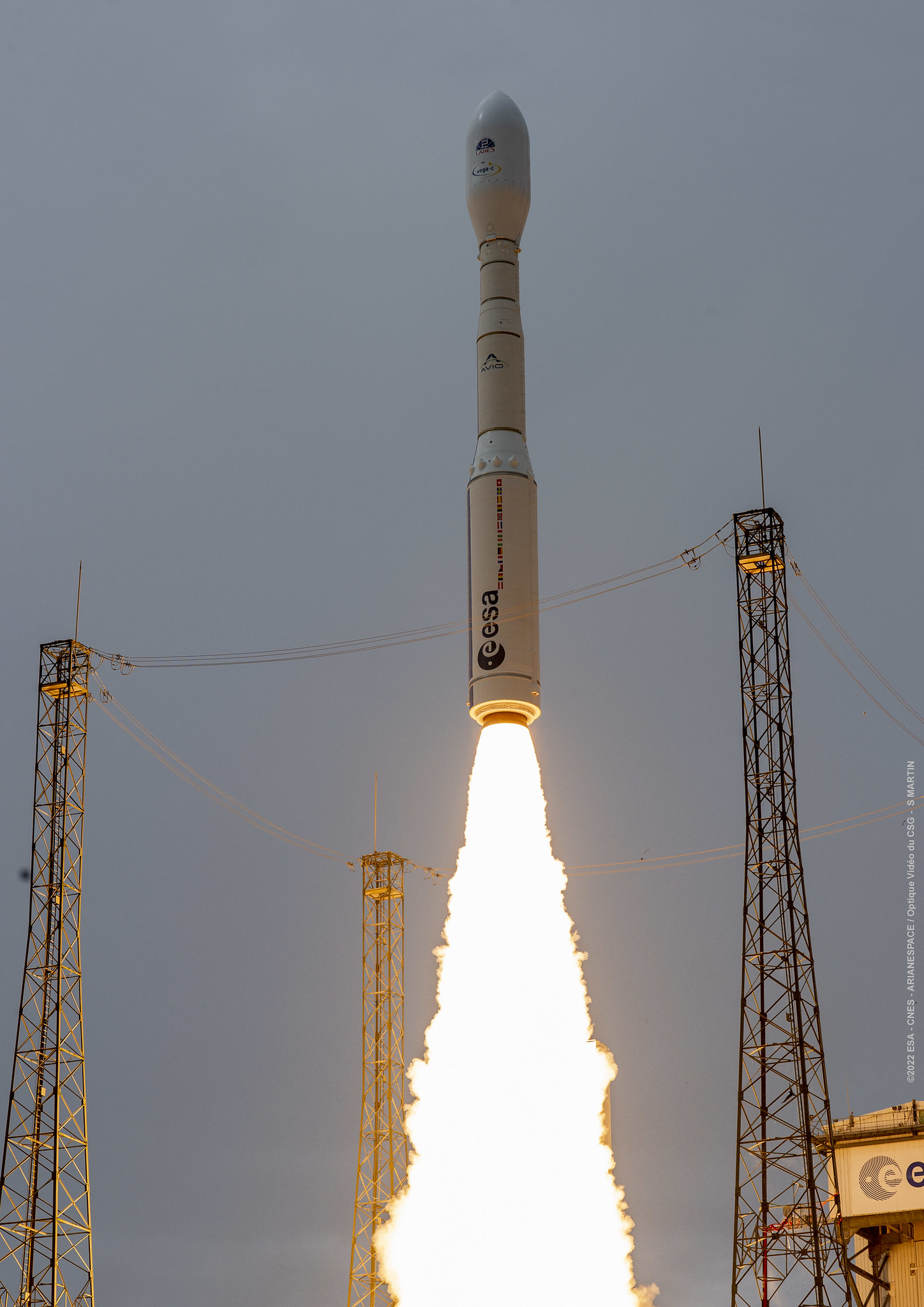
Vega-C | Sentinel-3C & FLEX
Avio S.p.A | ItalyGuiana Space Centre, French Guiana
TBD September, 2026
Status: To Be Determined
Mission:
Sentinel-3C is the third satellite in the Sentinel-3 constellation, which provides high-accuracy optical, radar and altimetry data for marine and land services. The Fluorescence Explorer (FLEX) satellite is a part of ESA's Earth Explorer program. The satellite will map vegetation fluorescence to quantify photosynthetic activity.
Sun-Synchronous Orbit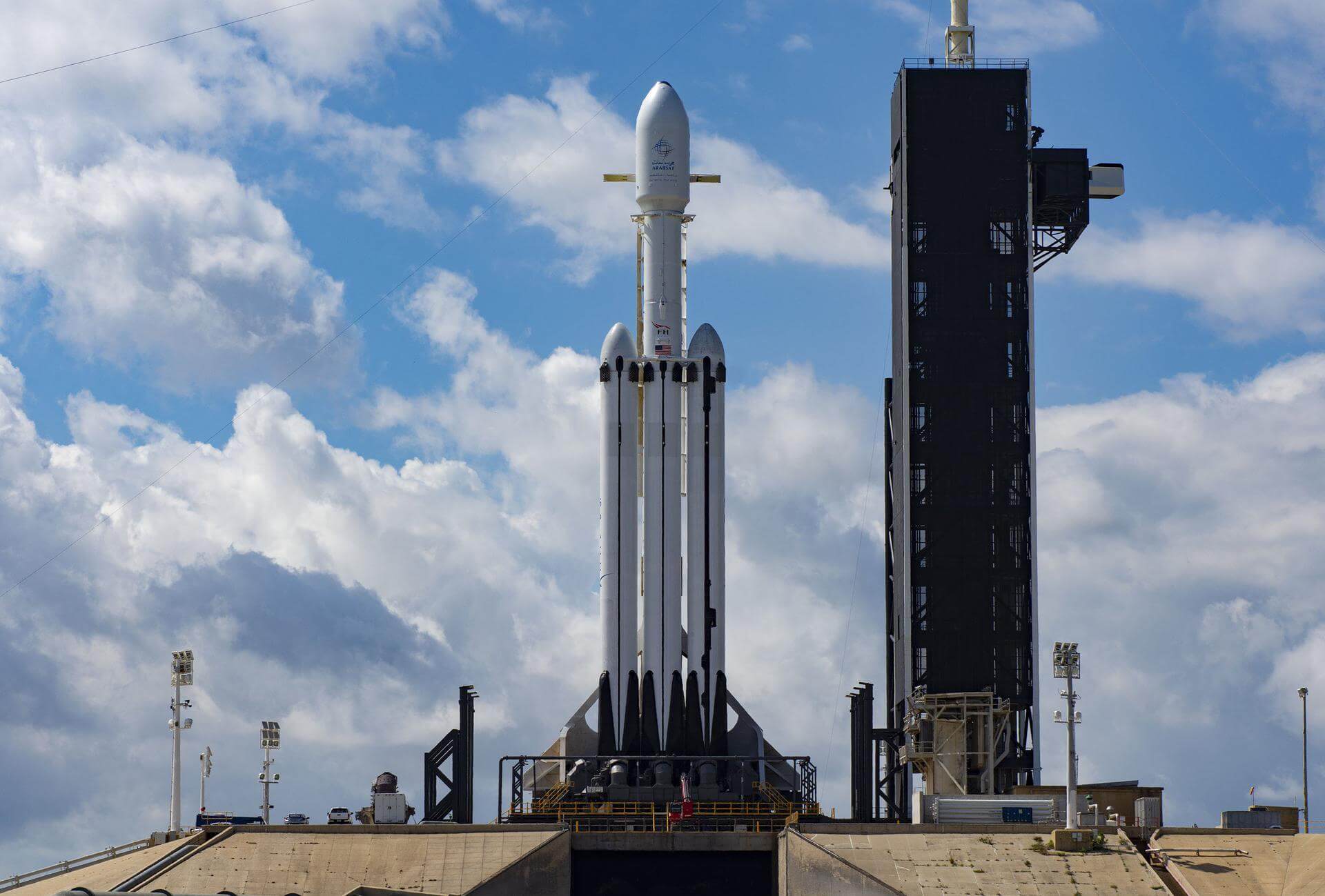
Falcon Heavy | Nancy Grace Roman Space Telescope
SpaceX | United States of AmericaKennedy Space Center, FL, USA
TBD September, 2026
Status: To Be Determined
Mission:
The Nancy Grace Roman Space Telescope is a NASA infrared space telescope with a 2.4 m (7.9 ft) wide field of view primary mirror and two scientific instruments. The Wide-Field Instrument (WFI) is a 300.8-megapixel multi-band visible and near-infrared camera, providing a sharpness of images comparable to that achieved by the Hubble Space Telescope over a 0.28 square degree field of view, 100 times larger than imaging cameras on the Hubble. The Coronagraphic Instrument (CGI) is a high-contrast, small field of view camera and spectrometer covering visible and near-infrared wavelengths using novel starlight-suppression technology. Roman objectives include a search for extra-solar planets using gravitational microlensing, and probing the expansion history of the Universe and the growth of cosmic structure, with the goal of measuring the effects of dark energy, the consistency of general relativity, and the curvature of spacetime.
Sun-Earth L2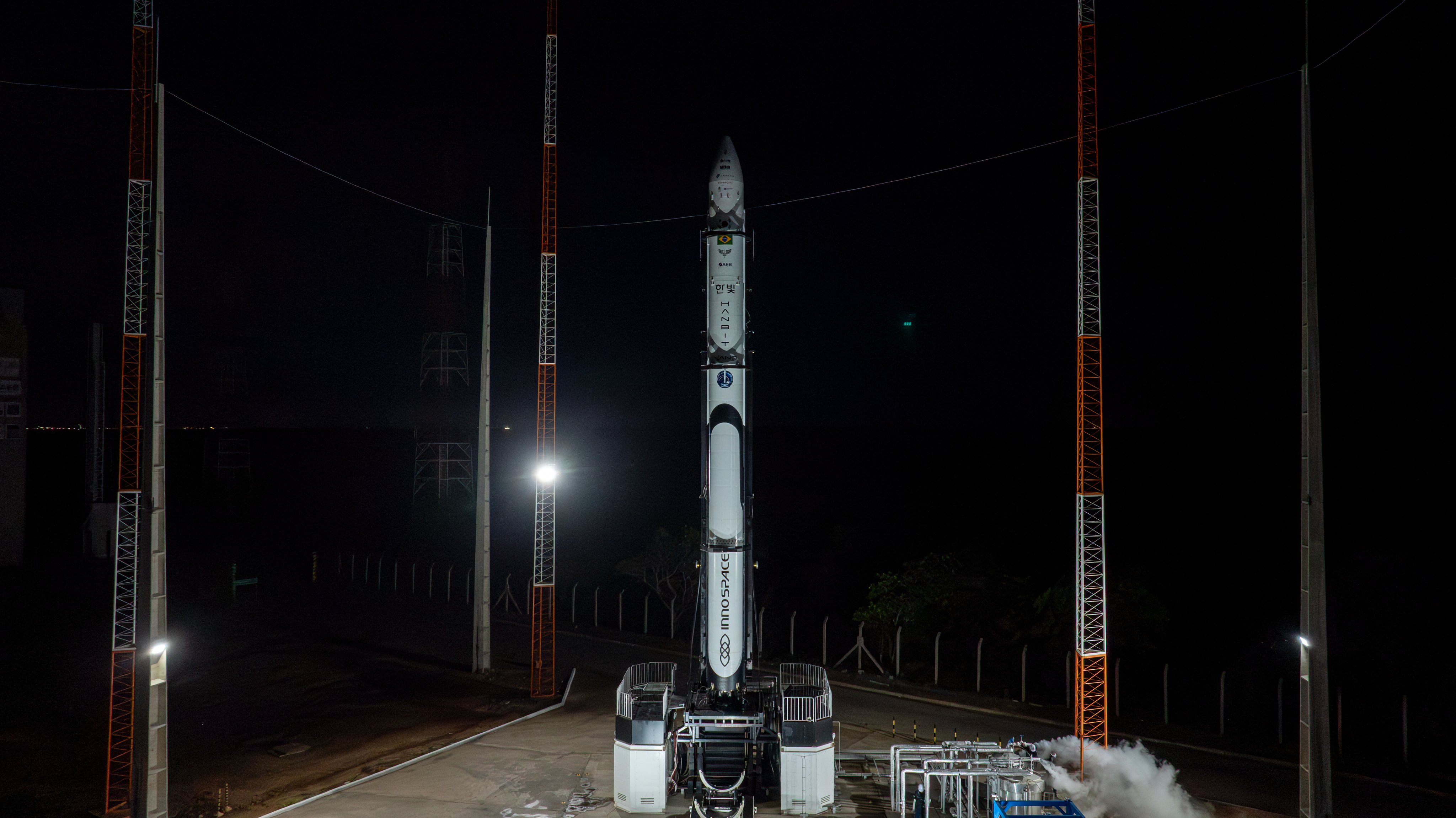
HANBIT-Nano | Flight 2
Innospace | South KoreaAlcântara Space Center, Federative Republic of Brazil
TBD September, 2026
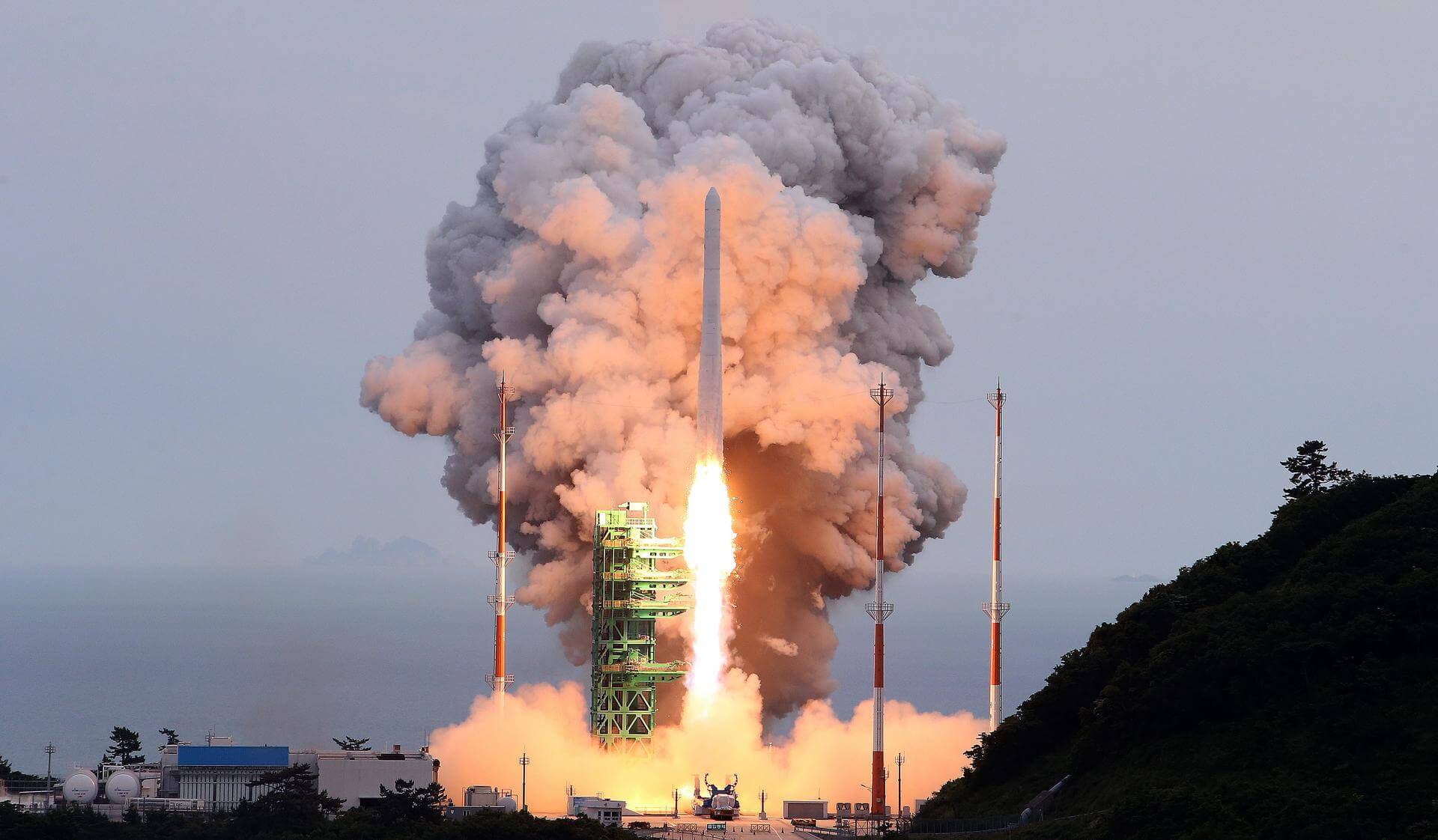
Nuri | NeonSat-2 to 6
Korea Aerospace Research Institute | South KoreaNaro Space Center, South Korea
TBD September, 2026
Status: To Be Determined
Mission:
NeonSat-2 to 6 are part of the South Korean government's Earth observation micro-satellite constellation NeonSat (New-space Earth Observation Satellite). The NeonSat constellation is the first satellite system developed by the government using a mass-production approach for precise monitoring of the Korean Peninsula.
Sun-Synchronous OrbitFalcon 9 Block 5 | SDA Tranche 2 Tracking Layer B
SpaceX | United States of AmericaCape Canaveral SFS, FL, USA
TBD September, 2026
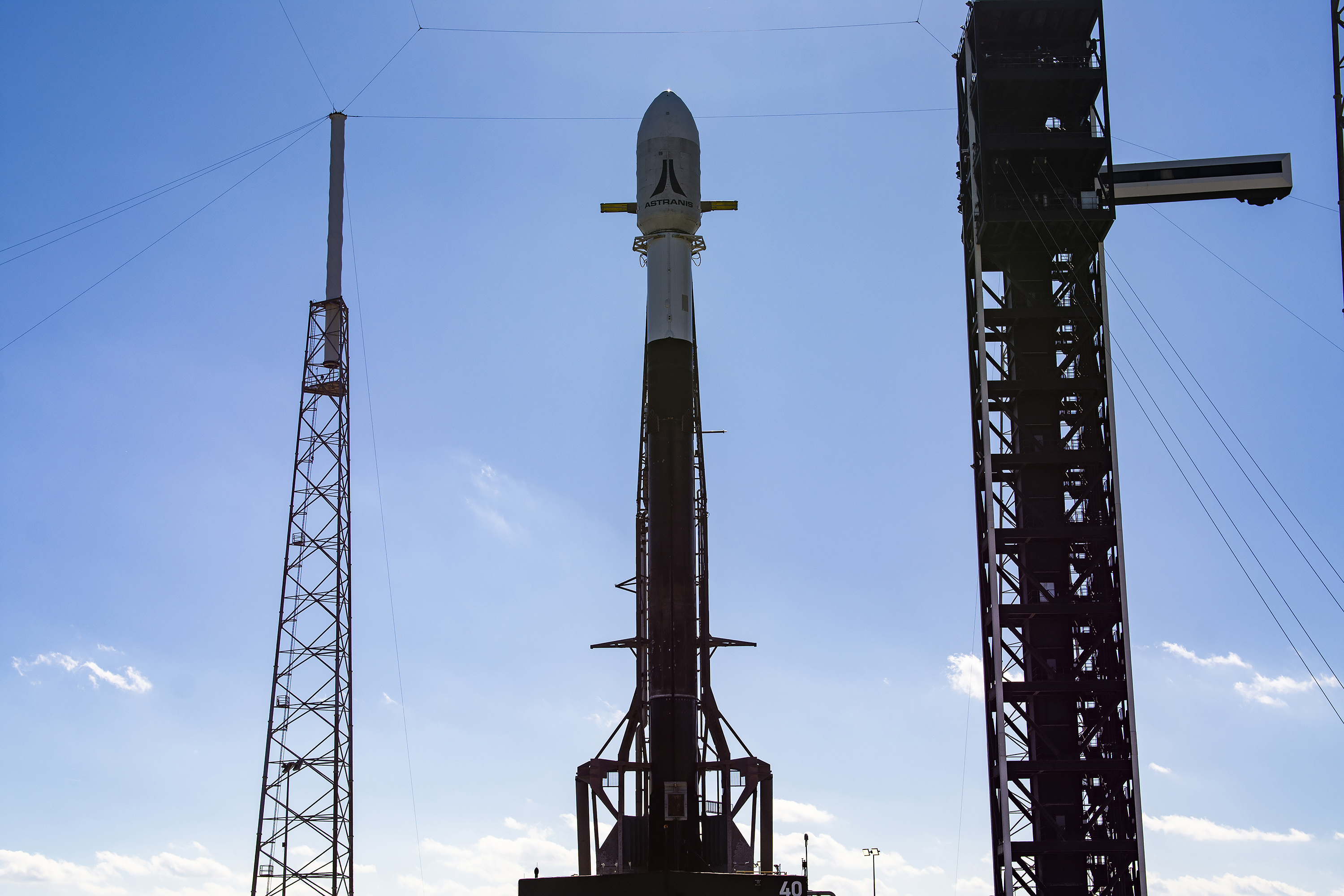
Falcon 9 Block 5 | 5x Astranis MicroGEO
SpaceX | United States of AmericaCape Canaveral SFS, FL, USA
TBD September, 2026
Status: To Be Determined
Mission:
Five Astranis MicroGEO communications satellite to be inserted in a custom geostationary orbit, from where they conduct on-orbit maneuvers to reach their individual slots. The 5 satellites include: * Apco 1 & Apco 2 (Mexico) * Thaicom-9 (Thailand) * 1x for Chunghwa Telecom (Taiwan) * 1x for MB Group (Oman)
Geostationary Transfer OrbitLong March 8
SpaceSail Polar Group 07
Commercial LC-1 - Wenchang Space Launch Site, People's Republic of China18 Low Earth Orbit communication satellites with Ku, Q and V band payloads for the G60 constellation operated by Shanghai Spacesail Technologies with…
Minotaur IV
STP-S29A
Space Launch Complex 8 - Vandenberg SFB, CA, USASTP-S29A is a mission under the U.S. Department of Defense's Space Test Program (STP) that will deliver technology demonstrations to orbit and contri…
Falcon 9
Starlink Group 17-35
Space Launch Complex 4E - Vandenberg SFB, CA, USAA batch of 25 satellites for the Starlink mega-constellation - SpaceX's project for space-based Internet communication system.
Atlas V 551
Amazon Leo (LA-05)
Space Launch Complex 41 - Cape Canaveral SFS, FL, USAAmazon Leo, formerly known as Project Kuiper, is a mega constellation of satellites in Low Earth Orbit that will offer broadband internet access, thi…
Soyuz 2.1a/Fregat-M
Meridian-M No.21L
43/3 (43L) - Plesetsk Cosmodrome, Russian FederationNote: Payload identity uncertain. Meridian is a series of communications satellite for military and civilian use.
Tianlong-3
Demo Flight
Tianlong-3 Launch Pad - Jiuquan Satellite Launch Center, People's Republic of ChinaFirst test launch of Space Pioneer’s Tianlong-3 rocket.
Falcon 9
Starlink Group 10-58
Space Launch Complex 40 - Cape Canaveral SFS, FL, USAA batch of 29 satellites for the Starlink mega-constellation - SpaceX's project for space-based Internet communication system.
Space Launch System (SLS)
Artemis II
Launch Complex 39B - Kennedy Space Center, FL, USAArtemis II is the first crewed mission as part of the Artemis program. Artemis II will send a crew of 4 - 3 Americans and 1 Canadian around the moon …
Falcon 9
Starlink Group 10-44
Space Launch Complex 40 - Cape Canaveral SFS, FL, USAA batch of 29 satellites for the Starlink mega-constellation - SpaceX's project for space-based Internet communication system.
Falcon 9
Transporter 16 (Dedicated SSO Rideshare)
Space Launch Complex 4E - Vandenberg SFB, CA, USADedicated rideshare flight to a sun-synchronous orbit with dozens of small microsatellites and nanosatellites for commercial and government customers.

